
Precision Prostate Cancer Treatment: How Nanoknife Works for Patients in Lebanon
Facing a prostate cancer diagnosis can feel overwhelming, especially here in Lebanon where you want the best care close to home.
Many men worry about the impact of traditional treatments on their quality of life, often considering potential side effects like incontinence or erectile dysfunction.
But what if there was a way to target cancer cells with incredible precision, minimizing damage to healthy tissue?
We’re excited to discuss Precision Prostate Cancer Treatment: How Nanoknife Works for Patients in Lebanon, a groundbreaking option that’s changing the landscape of cancer care.
Understanding Prostate Cancer and Treatment Challenges
Prostate cancer is a common concern among men, and receiving a diagnosis can bring many questions about the best path forward.
Traditional treatments, while effective, sometimes come with significant side effects that can impact your daily life.
These concerns often lead patients to seek out options that offer both efficacy and a better quality of life post-treatment.
Why Precision Matters in Cancer Treatment
When dealing with prostate cancer, precision is key.
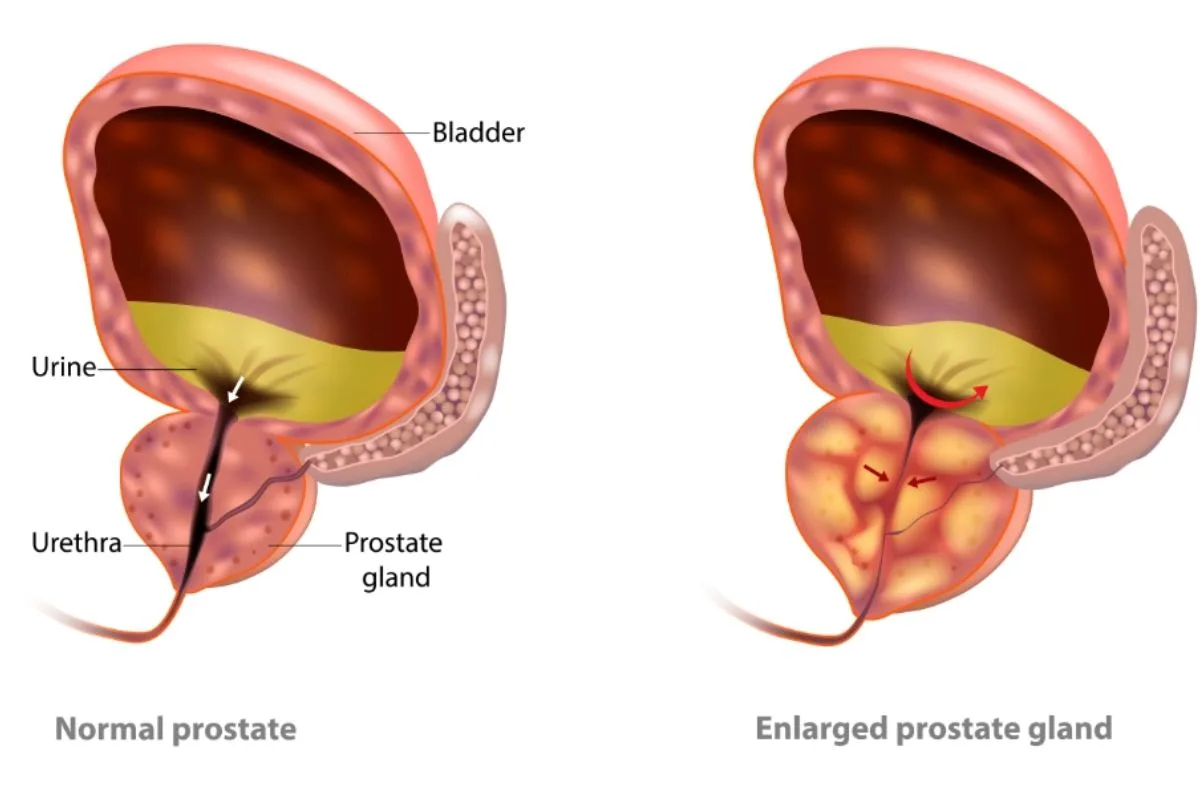
The prostate gland is located close to vital structures, including nerves responsible for urinary and sexual function.
Minimizing damage to these healthy tissues is crucial for maintaining your quality of life after treatment.
This is where advanced technologies like Nanoknife truly shine, offering a highly targeted approach.

What is Nanoknife Technology?
Nanoknife, or Irreversible Electroporation (IRE), is a minimally invasive technology used to destroy cancer cells.
Unlike heat or cold-based therapies, Nanoknife uses short, powerful electrical pulses.
These pulses create tiny, permanent pores in the cell membranes of cancerous tissue.
This process, known as electroporation, leads to programmed cell death, effectively eliminating the tumor.
The incredible part is that it often spares important structures like blood vessels, nerves, and ducts, which are often damaged by traditional thermal ablation methods.
This selective destruction is a major benefit for sensitive areas like the prostate.

How Nanoknife Works in Practice
Let’s break down how this innovative treatment typically works:
- Imaging Guidance: The procedure uses advanced imaging, like ultrasound or MRI, to precisely map the tumor’s location within the prostate.
- Electrode Placement: Thin needles, called electrodes, are carefully inserted into or around the cancerous area.
-
Electrical Pulses: Short, high-voltage electrical pulses are delivered through the electrodes.
These pulses create irreversible pores in the cancer cells. - Natural Elimination: The “perforated” cancer cells then die off and are naturally cleared away by the body’s immune system.
- Tissue Preservation: Crucially, the surrounding healthy tissue, including delicate nerves and blood vessels, often remains unharmed because their cell membranes respond differently to the electrical pulses.
Benefits of Nanoknife for Prostate Cancer Patients
Choosing a prostate cancer treatment involves weighing many factors.
Nanoknife offers several distinct advantages for patients.
- Highly Targeted: It precisely targets cancer cells, preserving healthy surrounding tissue.
- Reduced Side Effects: Lower risk of common side effects associated with prostate cancer treatment, such as erectile dysfunction and urinary incontinence.
- Minimally Invasive: The procedure involves small punctures for electrode insertion, leading to quicker recovery times.
- Repeatable: Can be an option for some patients who have recurrences or have failed other treatments, provided they meet specific criteria.
- Shorter Hospital Stay: Many patients can go home relatively quickly after the procedure.
Comparing Nanoknife to Other Treatments
To understand its unique position, here’s a quick comparison of Nanoknife with more traditional prostate cancer treatment options:
| Feature | Nanoknife (IRE) | Traditional Surgery (Radical Prostatectomy) | Radiation Therapy |
|---|---|---|---|
| Precision/Targeting | Highly focal; ablates only cancer cells | Removes entire prostate gland | Targets entire prostate area; can affect surrounding tissues |
| Impact on Nerves | Often preserves nerve bundles vital for potency | Higher risk of nerve damage affecting potency | Can cause long-term damage to surrounding nerves |
| Urinary Continence | Lower risk of post-treatment incontinence | Risk of stress incontinence | Potential for long-term urinary issues |
| Recovery Time | Typically faster recovery | Longer recovery period (weeks to months) | Gradual recovery, potential for long-term fatigue |
| Hospital Stay | Often short, sometimes overnight | Multiple days | Outpatient (daily for several weeks) |
Is Nanoknife Right for You?
Determining if Nanoknife is the best option for your specific case requires a thorough evaluation by a qualified urologist.
Factors such as the size and location of the tumor, Gleason score, and overall health play a role in candidacy.
At Modern Care, our team specializes in advanced prostate care and cancer treatments.
We are dedicated to exploring all available options to provide you with the most effective and personalized treatment plan.
Considering your options? We can help! Call us at 96176887676 or book a consultation to get started.
Frequently Asked Questions About Nanoknife
What is the recovery like after a Nanoknife procedure?
Most patients experience a relatively quick recovery.
You might feel some minor discomfort or soreness, which can usually be managed with over-the-counter pain medication.
Many patients can resume their normal activities within a few days to a week.
We’ll provide you with detailed post-procedure care instructions.
Are there any side effects with Nanoknife?
While Nanoknife aims to minimize side effects, like any medical procedure, there can be some.
Potential side effects are generally fewer and less severe than with traditional treatments.
These might include temporary bruising, swelling, or discomfort at the electrode insertion sites.
Serious complications are rare, and our team will discuss all potential risks and benefits with you.
How long does the Nanoknife procedure take?
The duration of the Nanoknife procedure can vary depending on the size and number of tumors being treated.
Generally, the procedure itself can take anywhere from one to a few hours.
You’ll also need time for preparation and post-procedure monitoring.
Is Nanoknife available for prostate cancer treatment in Lebanon?
Yes, advanced treatments like Nanoknife are available right here in Lebanon.
At Modern Care, we are proud to offer cutting-edge options for cancer care, including Nanoknife, provided it’s deemed suitable for your specific condition after a thorough evaluation.
We understand that making decisions about your health is critical, and choosing the right treatment for prostate cancer is a deeply personal journey.
With advanced options like Nanoknife, patients in Lebanon have access to sophisticated and less invasive solutions that prioritize both effectiveness and quality of life.
At Modern Care, we are dedicated to providing comprehensive care and innovative treatments.
We hope this overview of Precision Prostate Cancer Treatment: How Nanoknife Works for Patients in Lebanon helps you feel more informed and hopeful about your treatment journey.

