
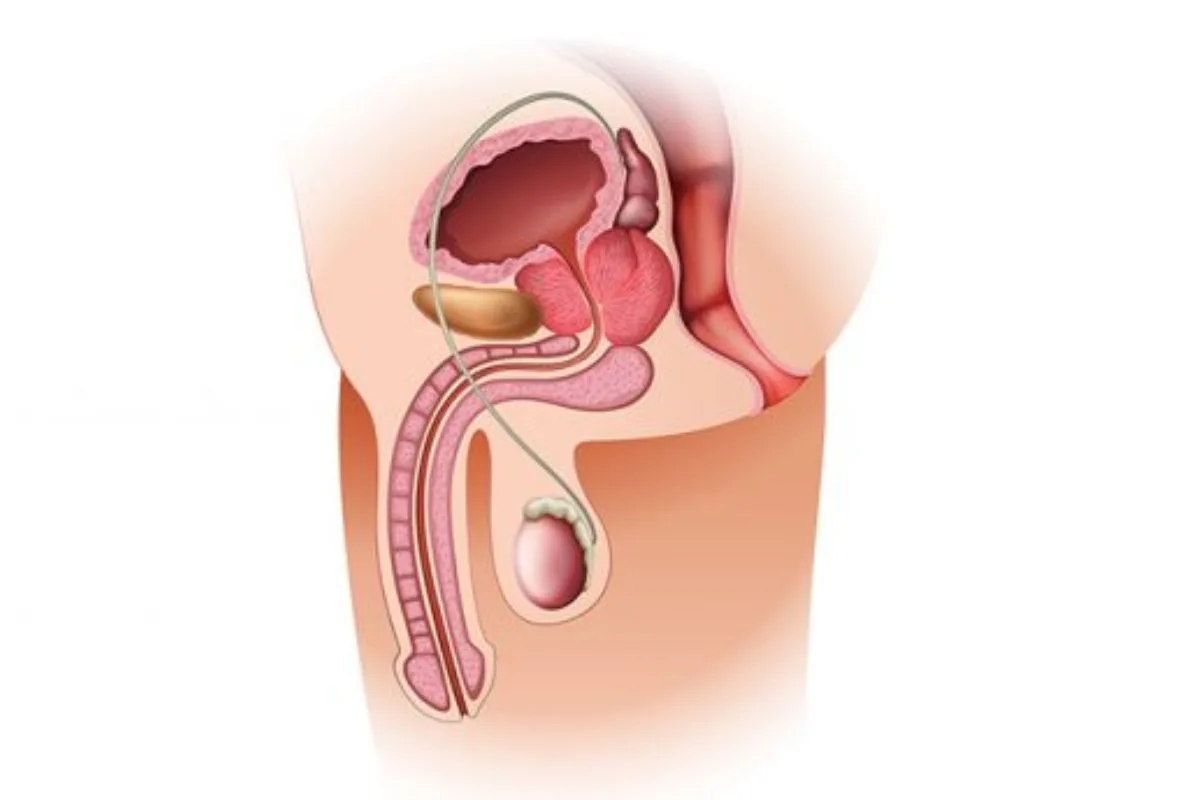
Debunking 5 Common Myths About Erectile Dysfunction
If you’re experiencing challenges with sexual health, you might feel isolated or embarrassed.
Many men in Lebanon and worldwide face similar situations.
There’s a lot of misinformation out there about erectile dysfunction (ED), also known as impotence.
It can be confusing and lead to unnecessary worry.
That’s why we’re here, at Modern Care, to help clear things up.
Let’s get straight to Debunking 5 Common Myths About Erectile Dysfunction so you can understand the facts and seek the right support.
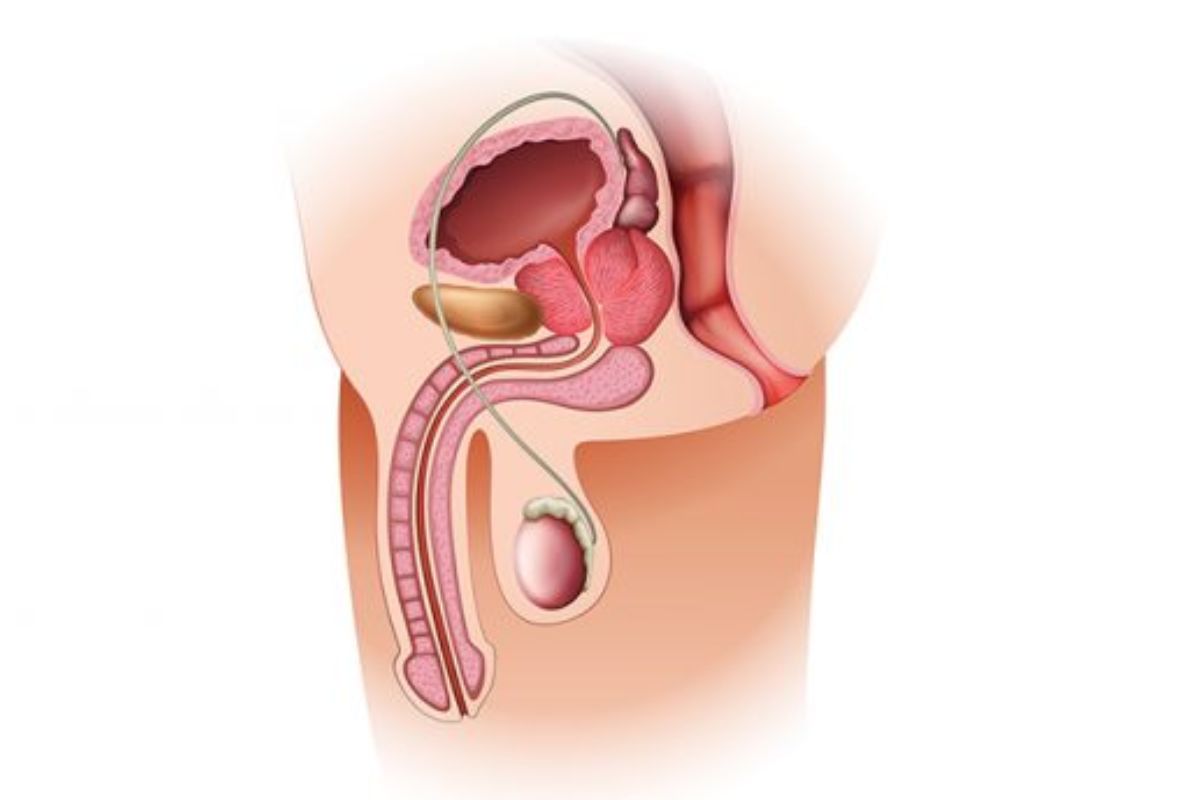
Understanding Erectile Dysfunction: Why Facts Matter
Getting accurate information about ED is super important.
Misconceptions can stop you from seeking help.
They can also make you feel worse about a common and treatable medical condition.
We believe that knowledge is power, especially when it comes to your health.
Myth #1: ED is Just a Sign of Aging
The Truth About Age and ED
It’s a common belief that ED is just a normal part of getting older.
While the likelihood of experiencing ED can increase with age, it’s definitely not inevitable.
Many younger men experience ED, and many older men maintain healthy sexual function.
Age is a risk factor, but it’s rarely the only cause.
Here are some other factors that often contribute to ED:
- Cardiovascular disease (heart and blood vessel issues)
- Diabetes
- High blood pressure
- High cholesterol
- Obesity
- Neurological disorders like Parkinson’s disease
- Certain medications
- Smoking and excessive alcohol consumption
- Psychological factors like stress, anxiety, or depression
Myth #2: ED is All in Your Head
The Mind-Body Connection in ED
While psychological factors certainly play a role for some men, ED is not always “just in your head.”
In fact, for many, there’s a clear physical cause.
It’s a complex condition that often involves a mix of physical and psychological elements.
- Physical Causes: These include problems with blood flow, nerve signals, or hormones. Conditions like diabetes or heart disease directly impact these systems.
- Psychological Causes: Stress, anxiety, depression, relationship problems, or performance anxiety can definitely contribute to or worsen ED.
It’s essential to consider both aspects when looking for solutions for sexual health issues.
Myth #3: ED Only Affects Older Men
ED at Any Age
This myth often makes younger men feel ashamed or isolated if they experience ED.
The reality is that ED can affect men of all ages.
Studies show that a significant percentage of men under 40 can also experience erectile difficulties.
For younger men, lifestyle factors often play a bigger role:
- Chronic stress
- Lack of sleep
- Poor diet
- Substance abuse
- Anxiety related to new relationships or performance
Myth #4: ED Means You’re Not Attracted to Your Partner
ED and Relationships
This myth can cause significant strain and misunderstanding in relationships.
ED is a medical condition, not a reflection of your attraction or love for your partner.
It’s crucial to communicate openly with your partner about what you’re experiencing.
Often, partners are more understanding and supportive than you might think.
Focusing on intimacy beyond intercourse can also help maintain connection during this time.
Myth #5: ED is Untreatable
Effective Treatment Options for ED
This is perhaps the most damaging myth.
The good news is that ED is highly treatable!
Advances in medicine and urology mean there are many effective options available today.
You don’t have to suffer in silence.
Treatment options vary depending on the cause and can include:
- Oral medications (like PDE5 inhibitors)
- Lifestyle changes (diet, exercise, quitting smoking)
- Hormone therapy (if low testosterone is a factor)
- Vacuum constriction devices
- Penile injections
- Penile implants (for severe cases)
Considering your options? We can help! Call us at 96176887676 or book a consultation to get started.
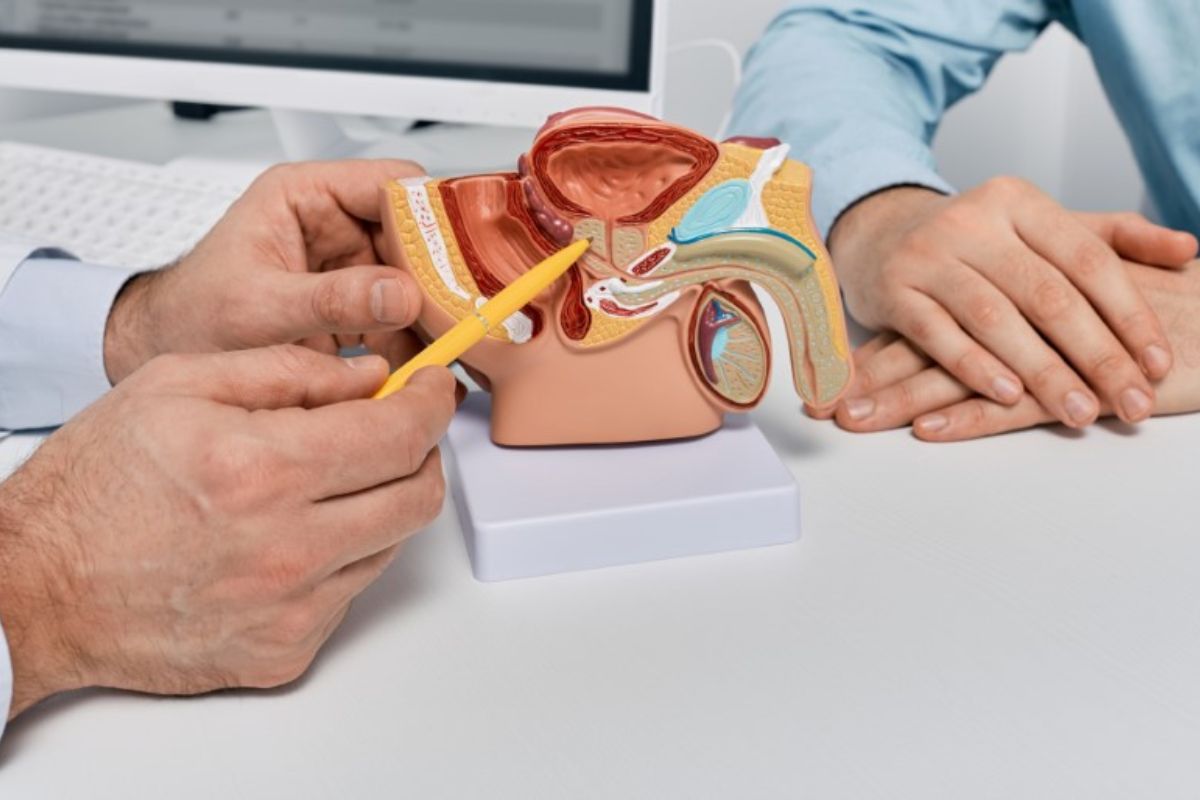
Common Misconceptions vs. Reality
Let’s compare some of these myths with the medical realities we see every day at our clinic.
| Common Misconception | Medical Reality |
|---|---|
| ED is purely psychological. | Many cases have underlying physical causes, often cardiovascular. |
| Only old men get ED. | Men of all ages can experience ED, including younger individuals. |
| ED means a man isn’t attracted to his partner. | ED is a medical condition, unrelated to romantic attraction or desire. |
| ED is untreatable or a sign of failure. | ED is treatable, and seeking help is a sign of strength and self-care. |
| You have to live with ED if you have it. | Many effective treatments and solutions are available today. |
Frequently Asked Questions About ED
Can ED be a warning sign of other health problems?
Yes, absolutely.
ED can often be an early indicator of more serious underlying health conditions, especially cardiovascular disease.
It’s like your body’s alarm system telling you something might be off with your blood vessels.
That’s why it’s so important to see a urologist or doctor if you’re experiencing ED.
What lifestyle changes can help with ED?
Many lifestyle adjustments can significantly improve ED.
These include adopting a healthier diet, getting regular exercise, maintaining a healthy weight, quitting smoking, and reducing alcohol intake.
Managing stress and ensuring adequate sleep also play a crucial role in overall medical facts and sexual well-being.
How quickly can I expect to see results from treatment?
The timeline for seeing results can vary greatly depending on the cause of your ED and the type of treatment you receive.
Oral medications can work relatively quickly, sometimes within an hour.
Lifestyle changes might take several weeks or months to show significant improvement.
Your doctor at Modern Care can give you a personalized estimate during your consultation.
We hope this guide on Debunking 5 Common Myths About Erectile Dysfunction has provided you with clearer, more accurate information.
Remember, you don’t have to face this challenge alone.
At Modern Care, our team of dedicated urologists is here to offer compassionate, confidential, and effective care.
Don’t hesitate to reach out for a professional assessment and personalized treatment plan right here in Lebanon.