
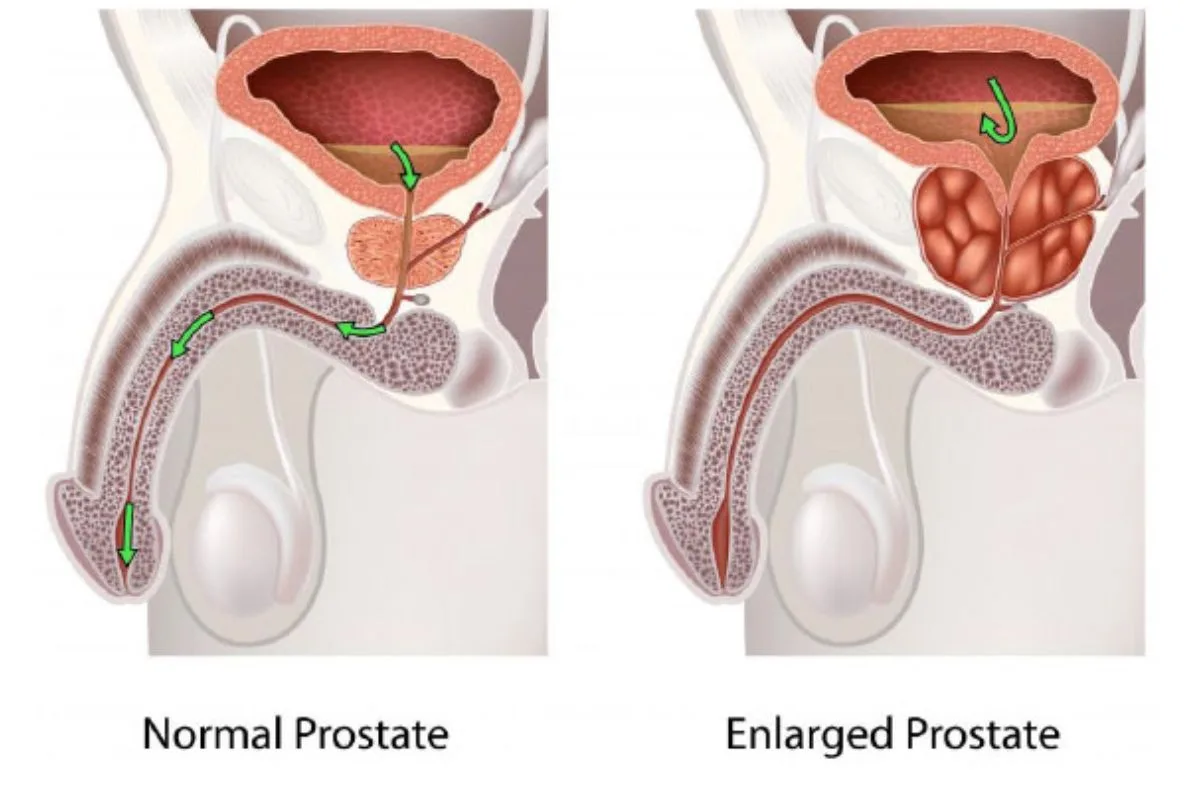
Understanding Nanoknife by Dr Fouad Khoury: A Patient’s Guide to Focal Prostate Cancer Treatment
Receiving a prostate cancer diagnosis can feel overwhelming for many men and their families, especially when navigating treatment options here in Lebanon.
You’re likely looking for the most effective yet least invasive solutions available.
It’s natural to have questions about preserving your quality of life while tackling the disease.
That’s why we’re focusing today on Understanding Nanoknife by Dr Fouad Khoury: A Patient’s Guide to Focal Prostate Cancer Treatment.
What is Nanoknife (Irreversible Electroporation – IRE)?
Let’s break down this innovative approach to prostate cancer treatment.
Nanoknife, or Irreversible Electroporation (IRE), is a minimally invasive focal therapy.
This means it specifically targets and destroys cancer cells within the prostate while aiming to spare healthy surrounding tissue.
It’s a significant advancement for men seeking alternatives to more aggressive, whole-gland treatments.
How Does Nanoknife Work?
The technology behind Nanoknife is quite clever.
Here’s what you need to know:

-
Precision Targeting: Thin needles are guided precisely into the cancerous area of the prostate.
Advanced imaging, like MRI fusion, helps urologists like those at Modern Care map the exact location of the tumor. - Electric Pulses: Once positioned, these needles deliver short, high-voltage electrical pulses.
-
Cellular Destruction: These pulses create microscopic pores in the membranes of cancer cells.
This process, called irreversible electroporation, effectively destroys the cells without using heat or cold, leading to their natural elimination by the body. - Tissue Preservation: Crucially, IRE can spare vital structures like nerves and blood vessels, which are often affected by traditional surgery or radiation.
Potential Benefits of Nanoknife for Prostate Cancer
When considering focal prostate cancer treatment, the benefits of Nanoknife can be very appealing.
Patients often appreciate the potential for reduced side effects compared to traditional methods.
- Minimally Invasive: The procedure involves small incisions for needle insertion, leading to less discomfort and scarring.
- Reduced Side Effects: By preserving healthy tissue, Nanoknife aims to lower the risk of common side effects such as erectile dysfunction and urinary incontinence.
- Quicker Recovery: Patients typically experience a shorter hospital stay and a faster return to their normal activities.
- Precise Treatment: It targets only the tumor, leaving the rest of the prostate gland intact.
Who is a Candidate for Nanoknife?
Nanoknife isn’t suitable for everyone, but it’s an excellent option for specific patients.
Generally, it’s considered for men with:
- Localized prostate cancer that hasn’t spread beyond the gland.
- Low to intermediate-risk prostate cancer.
- Clearly defined tumor locations identified through advanced imaging.
- A desire to minimize potential side effects on sexual and urinary function.
It’s essential to have a thorough discussion with a specialist, such as a urologist at Modern Care specializing in prostate conditions, to determine if Nanoknife is the right path for you.
Nanoknife vs. Traditional Prostate Cancer Treatments
Understanding your options means comparing them.
Here’s a simplified look at how Nanoknife stacks up against some traditional treatments.
| Feature | Nanoknife (Focal IRE) | Radical Prostatectomy (Surgery) | Radiation Therapy |
|---|---|---|---|
| Invasiveness | Minimally invasive (needle-based) | Highly invasive (surgical removal) | Non-invasive externally (internal seeds can be invasive) |
| Precision | Targets specific tumor areas, sparing healthy tissue | Removes the entire prostate gland | Targets a broader area, including healthy tissue |
| Side Effects (Urinary) | Lower risk of incontinence | Higher risk of incontinence | Risk of urinary symptoms (frequency, urgency) |
| Side Effects (Sexual) | Lower risk of erectile dysfunction | Higher risk of erectile dysfunction | Risk of erectile dysfunction |
| Recovery Time | Often shorter, outpatient or short hospital stay | Longer, significant recovery period | Gradual, with potential for fatigue over time |
| Anesthesia | General anesthesia | General anesthesia | None (external), or local/spinal (internal seeds) |
This table provides a general overview, and individual results can vary.
For more in-depth information on treatment specifics, we encourage you to explore more about cancer treatments on our blog.
Frequently Asked Questions About Nanoknife
It’s normal to have many questions when considering a new treatment.
Here are some common ones we hear:
Is Nanoknife a painful procedure?
The procedure itself is performed under general anesthesia, so you won’t feel any pain during the treatment.
Afterward, you might experience some mild discomfort or soreness, which can usually be managed with standard pain medication.
What is the recovery like after Nanoknife?
Most patients have a relatively quick recovery.
You might stay in the hospital for a day or two.
You should be able to resume light activities within a few days and return to your normal routine much faster than with traditional surgery.
Your doctor will provide specific post-procedure instructions.
Is Nanoknife covered by insurance in Lebanon?
Insurance coverage can vary greatly depending on your provider and policy.
We recommend contacting your insurance company directly to understand your specific benefits for this procedure.
Our team at Modern Care can also assist with providing necessary documentation.
What are the long-term results of Nanoknife?
Studies on Nanoknife show promising results for specific patient profiles, particularly in achieving cancer control while preserving quality of life.
However, like any cancer treatment, regular follow-up and monitoring are crucial to ensure long-term success.
Discussing your individual prognosis with your doctor is key.
Considering your options? We can help! Call us at 96176887676 or book a consultation to get started.
We hope this guide has provided you with a clearer perspective on Nanoknife.
Deciding on prostate cancer treatment is a deeply personal journey, and understanding all available options is vital.
This overview of Understanding Nanoknife by Dr Fouad Khoury: A Patient’s Guide to Focal Prostate Cancer Treatment aims to empower you with knowledge as you discuss your path forward with medical professionals.

