

When to See a Sexologist: Understanding Urologist Referral for Sexual Health
Facing sexual health concerns can be daunting and often feels like a very private matter.
It’s natural to wonder who the right professional is to talk to.
Sometimes, you might think of a urologist first, which is a great start for many physical issues.
But there are instances where understanding When to See a Sexologist: Understanding Urologist Referral for Sexual Health becomes crucial for holistic care.
Let’s clear up some common questions and guide you on the best path forward.
Urologist vs. Sexologist: What’s the Difference?
It’s easy to get these roles confused, especially when both deal with sensitive topics.
However, their approaches and areas of expertise are quite distinct.
Think of them as different specialists tackling different facets of your well-being.
The Urologist’s Role
A urologist is a medical doctor specializing in the urinary tract system of both men and women, and the male reproductive system.
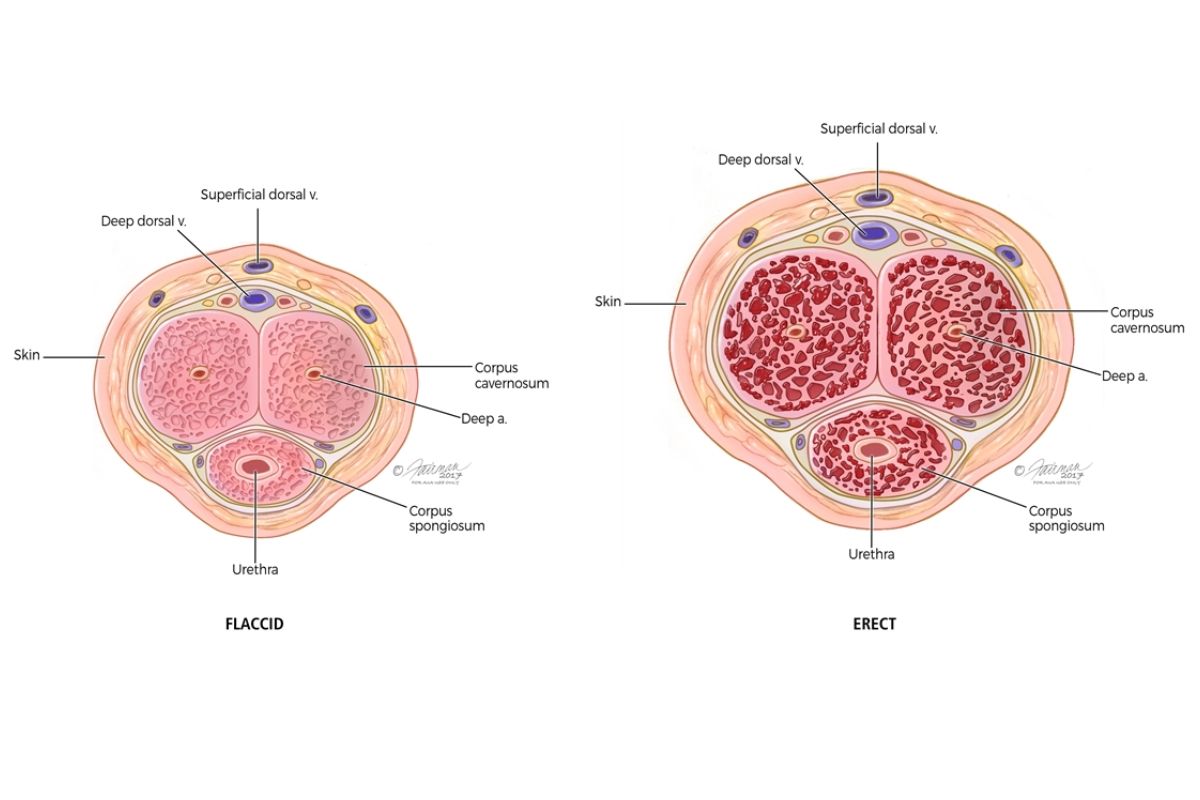
This includes kidneys, bladder, urethra, and male organs like the penis, testes, scrotum, and prostate.
They diagnose and treat physical conditions, diseases, and structural problems.
- Medical Diagnosis: Identifying underlying physical causes for symptoms.
- Treatment of Physical Conditions: Prescribing medication, performing surgeries, or recommending procedures for issues like erectile dysfunction, urinary incontinence, kidney stones, prostate problems, or male infertility.
- Physical Health: Focusing on the anatomical and physiological aspects of your sexual and urinary health.

The Sexologist’s Role
A sexologist, on the other hand, is a professional who specializes in human sexuality from a broader, non-medical perspective.
They often have backgrounds in psychology, counseling, social work, or therapy.
They focus on the psychological, emotional, relational, and social aspects of sexual health.
- Counseling and Therapy: Helping individuals and couples address sexual dysfunctions, intimacy issues, sexual communication problems, or concerns related to sexual identity.
- Behavioral and Emotional Support: Providing strategies and tools to improve sexual satisfaction and resolve psychological barriers.
- Holistic Well-being: Considering how mental health, relationship dynamics, and life experiences impact sexual function and enjoyment.
Who to See When: A Comparison
To help you understand better, here’s a quick comparison of when you might primarily consult a urologist versus a sexologist.
| Aspect | Urologist | Sexologist |
|---|---|---|
| Primary Focus | Physical structures, diseases, and functions of the urinary and male reproductive systems. | Psychological, emotional, relational, and behavioral aspects of sexual health. |
| Typical Issues Addressed | Erectile dysfunction (physical cause), male infertility, prostate issues, painful urination, STIs, anatomical abnormalities. | Low libido (non-physical cause), painful intercourse (after physical causes ruled out), intimacy issues, premature ejaculation (psychological), sexual trauma, body image concerns. |
| Treatment Methods | Medication, surgery, physical examinations, diagnostic tests. | Talk therapy, counseling, behavioral exercises, communication strategies, education. |
| Required Degree | Medical Doctor (MD) with specialty in Urology. | Often PhD or Master’s in relevant fields (e.g., psychology, social work) with specialized training in sexology. |
When a Urologist Might Refer You to a Sexologist
At Modern Care, our urology team understands that sexual health is multifaceted.
Sometimes, even after thorough medical evaluation, a physical cause for your sexual health concern might not be found.
This is often when a referral to a sexologist becomes beneficial.
You might receive a referral if:
- Physical Causes are Ruled Out: Your urologist finds no underlying medical condition explaining your symptoms like erectile dysfunction or low libido.
- Emotional or Relationship Factors: Your sexual health issues seem to stem from stress, anxiety, depression, relationship conflicts, or past trauma.
- Communication Difficulties: You and your partner are struggling with intimacy or expressing sexual needs and desires.
- Performance Anxiety: Psychological pressure or fear is impacting your sexual function.
- Need for Behavioral Strategies: You require help with techniques to manage issues like premature or delayed ejaculation that aren’t purely physical.
Our goal at Modern Care, located right here in Lebanon, is to ensure you receive the most comprehensive care.
We believe in a collaborative approach to sexual health, ensuring all aspects of your well-being are considered.
You can learn more about our commitment to sexual health services on our blog.
Considering your options? We can help! Call us at 96176887676 or book a consultation to get started.
Frequently Asked Questions About Sexual Health Referrals
Can a urologist treat all sexual health issues?
No, a urologist primarily addresses the physical and medical causes of sexual dysfunction. While they are crucial for diagnosing and treating many conditions, they typically do not provide therapy or counseling for psychological or relationship-based sexual concerns.
Is it embarrassing to talk about sexual health problems?
Absolutely not! Sexual health is a fundamental part of overall well-being, and experiencing concerns is more common than you might think. Healthcare professionals are trained to discuss these matters with sensitivity and professionalism. There’s nothing to be ashamed of when seeking help.
How long does sex therapy usually take?
The duration of sex therapy varies greatly depending on the individual, the nature of the concerns, and whether it’s individual or couples therapy. Some issues might resolve in a few sessions, while others could require several months. Your sexologist will discuss a treatment plan tailored to your needs.
What if I don’t have a specific medical problem, but I’m just unhappy with my sex life?
This is a perfect reason to consider seeing a sexologist. Sexual satisfaction and quality of life are key components of sexual health. A sexologist can help you explore feelings, improve communication, and develop strategies to enhance intimacy and pleasure, even without a diagnosed “problem.”
Navigating sexual health can feel complicated, but remember you don’t have to do it alone.
Understanding When to See a Sexologist: Understanding Urologist Referral for Sexual Health is a vital step toward getting the right support and improving your overall well-being.
Whether your journey begins with a urologist or leads you to a sexologist, prioritizing your sexual health is a powerful act of self-care.