
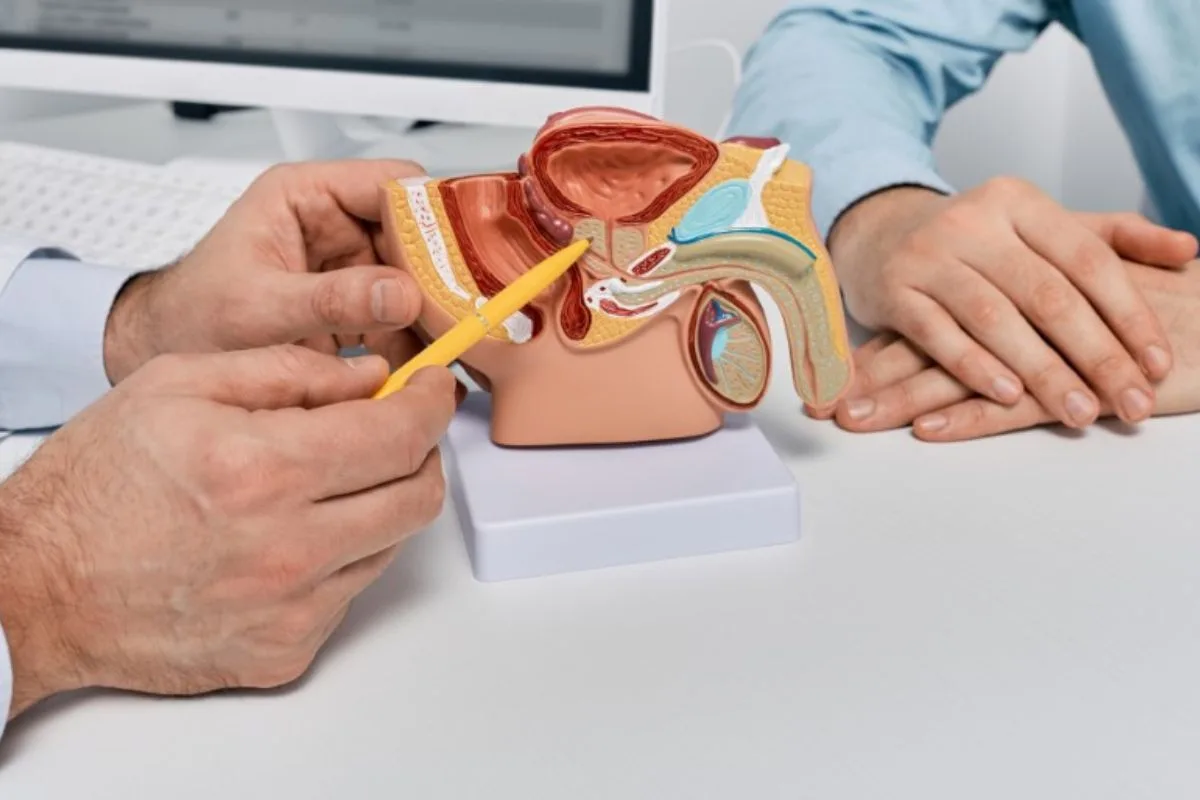
The Urologist’s Role in Diagnosing and Treating STDs
Facing concerns about your sexual health can feel overwhelming.
Many people experience anxiety or uncertainty when they suspect they might have a sexually transmitted disease (STD).
It’s a common issue, and understanding where to turn for help is the first crucial step.
That’s where The Urologist’s Role in Diagnosing and Treating STDs becomes incredibly important.
At Modern Care, we understand these worries and are here to provide discreet, professional, and effective care.
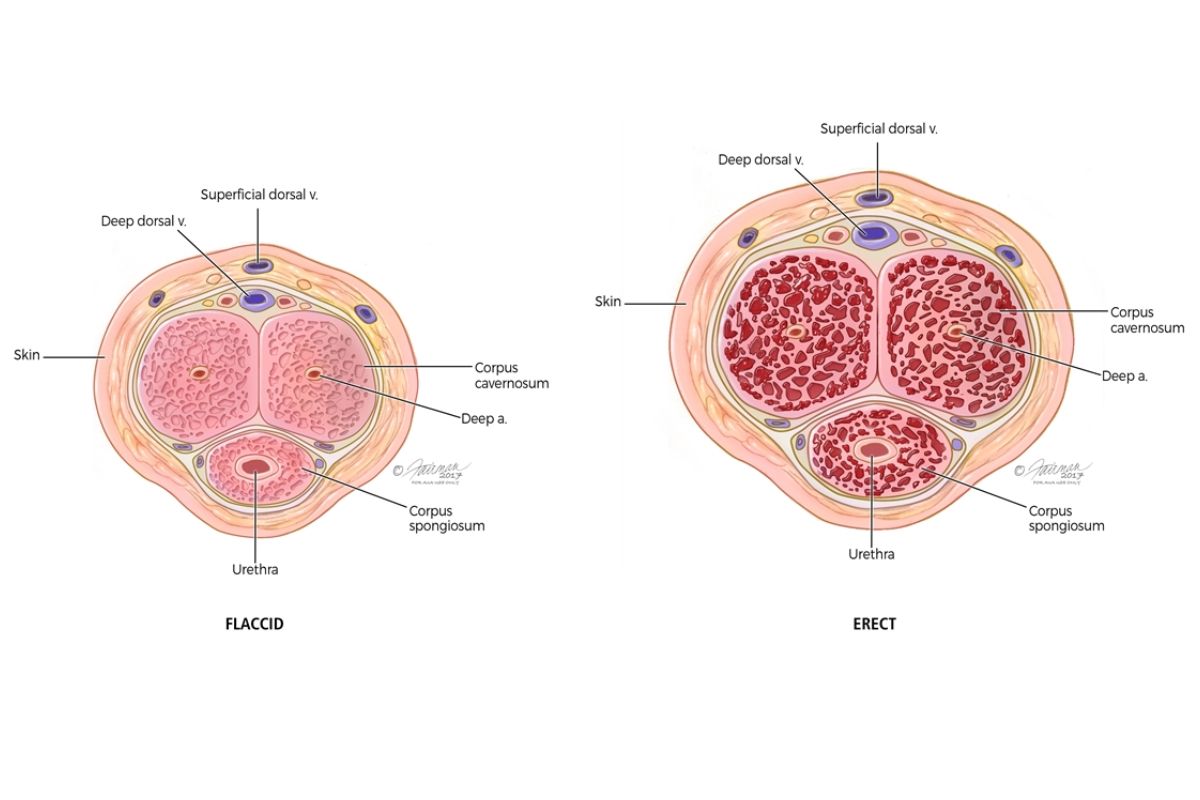
Understanding Sexually Transmitted Diseases (STDs)
STDs, sometimes called STIs (sexually transmitted infections), are infections passed from one person to another through sexual contact.
They can be caused by bacteria, viruses, or parasites.
The good news is, many STDs are treatable, especially when caught early.
Ignoring symptoms or delaying care can lead to more serious health complications, so prompt attention is key.
Common Types of STDs We Encounter
Urologists deal with a variety of STDs, particularly those that affect the genitourinary system.
Some of the more frequently seen conditions include:
- Chlamydia: A bacterial infection often without symptoms, but can cause urethritis or epididymitis.
- Gonorrhea: Another bacterial infection that can affect the urethra, rectum, or throat.
- Herpes Simplex Virus (HSV): Causes genital sores and can lead to recurrent outbreaks.
- Human Papillomavirus (HPV): Can cause genital warts and is linked to certain cancers.
- Syphilis: A bacterial infection with stages, potentially affecting many organ systems if untreated.
- Trichomoniasis: A parasitic infection causing urethritis or vaginitis.
When Should You See a Urologist for STD Concerns?
Many people wonder who the right specialist is for STD testing and treatment.
Given that many STDs directly impact the urinary tract and reproductive organs, a urologist is uniquely qualified to diagnose and manage these conditions, especially in men.
If you’re experiencing any symptoms, or if you’ve had unprotected sex, don’t hesitate to reach out.
Symptoms That Warrant a Visit
It’s important to pay attention to your body.
Some common signs and symptoms that suggest you should consult with a healthcare provider include:
- Unusual discharge from the penis or vagina.
- Pain or burning during urination.
- Sores, bumps, or rashes on the genitals or around the anus.
- Itching or irritation in the genital area.
- Pain during sexual intercourse.
- Unexplained pelvic pain or testicular pain.
Remember, some STDs have no noticeable symptoms, so routine sexual health screenings are important if you are sexually active.
The Diagnostic Process: What to Expect
When you visit our clinic in Antelias, Lebanon, for STD testing, our goal is to make the process as comfortable and confidential as possible.
We’ll start with a thorough discussion about your medical and sexual history.
This helps us understand your potential risks and guide the diagnostic steps.
Here’s what a typical diagnostic process might involve:
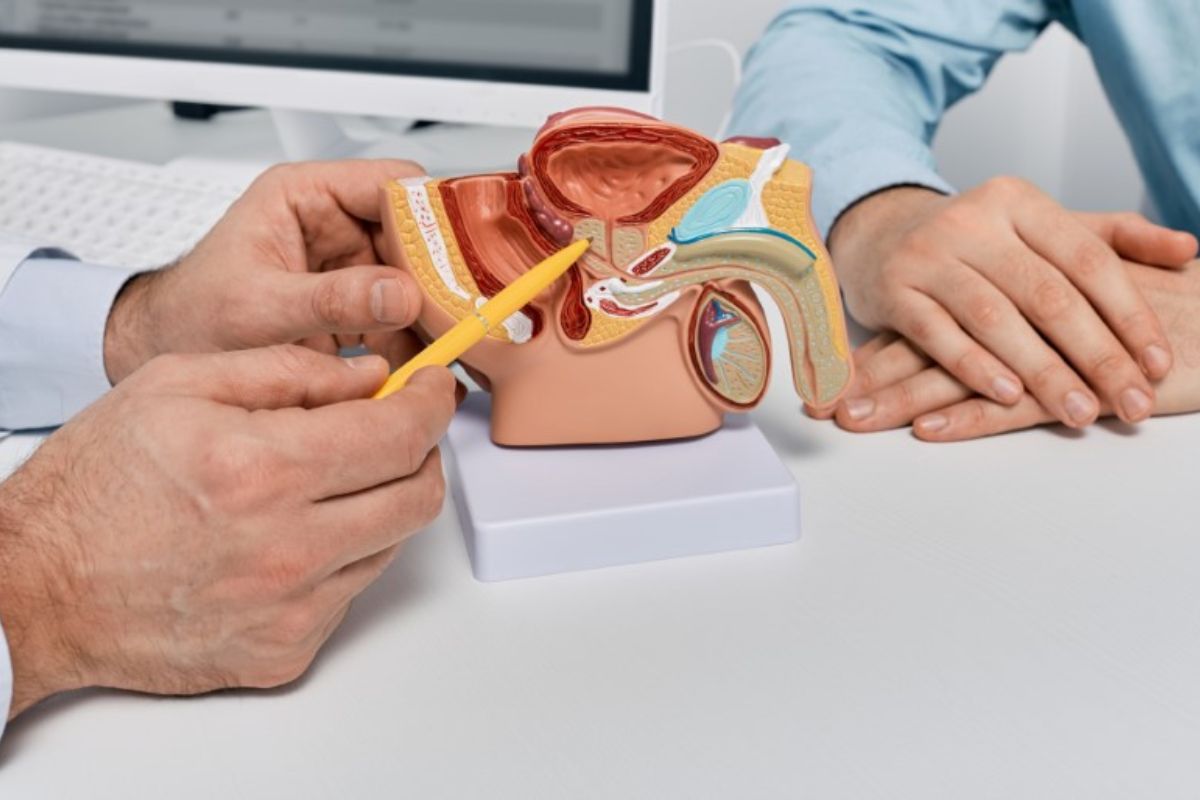
- Physical Examination: Checking for visible symptoms like sores, rashes, or unusual discharge.
- Urine Tests: Often used to detect infections like chlamydia and gonorrhea.
- Blood Tests: Can identify infections such as syphilis, herpes, and HIV.
- Swab Tests: Samples taken from sores, the urethra, or other affected areas for analysis.
Comparing Common Diagnostic Methods
Different STDs require different testing approaches.
Here’s a quick overview of some common methods:
| Test Type | Commonly Detects | Collection Method | Typical Turnaround |
|---|---|---|---|
| Urine Test | Chlamydia, Gonorrhea | Urine sample | Days |
| Blood Test | Syphilis, HIV, Herpes (antibodies) | Blood draw | Days to a week |
| Swab Test | Herpes, HPV (genital warts), Trichomoniasis, specific bacterial infections | Sample from affected area (sore, cervix, urethra) | Days to a week |
Treatment Approaches for STDs
Once an STD is diagnosed, we’ll discuss the most effective treatment plan for you.
Treatments vary depending on whether the infection is bacterial, viral, or parasitic.
Types of Treatments We Offer
- Antibiotics: For bacterial STDs like chlamydia, gonorrhea, and syphilis. These are highly effective and can cure the infection.
- Antiviral Medications: For viral STDs such as herpes and HIV. These medications can manage symptoms, reduce outbreaks, and lower the risk of transmission, but typically don’t cure the virus.
- Antiparasitic Medications: For parasitic infections like trichomoniasis. A single dose can often cure the infection.
- Topical Treatments/Procedures: For conditions like genital warts caused by HPV. This might include creams, cryotherapy (freezing), or surgical removal.
It’s crucial to complete the entire course of medication, even if your symptoms improve, to ensure the infection is fully cleared.
We also recommend re-testing after treatment to confirm its success.
Considering your options? We can help! Call us at 96176887676 or book a consultation to get started.
Frequently Asked Questions About STDs and Urological Care
Do I need a referral to see a urologist for STD testing?
Generally, no, you do not need a referral to see a urologist for STD testing at Modern Care.
You can directly book an appointment.
However, it’s always a good idea to check with your insurance provider if you plan to use coverage, as some plans might have specific requirements.
Are STD tests painful?
Most STD tests involve minimal discomfort.
Blood draws might cause a brief pinch, and urine tests are painless.
Swab tests can sometimes be a little uncomfortable or feel like a quick scrape, but they are generally not painful.
We strive to make your experience as comfortable as possible.
How long does STD treatment take?
The duration of STD treatment depends entirely on the type of infection.
Bacterial infections can often be cured with a single dose or a short course of antibiotics (e.g., 1-7 days).
Viral infections, like herpes, require ongoing management with antiviral medications, and HIV treatment is long-term.
Your urologist will give you a clear timeline based on your specific diagnosis.
Taking care of your sexual health is a critical part of your overall well-being.
Don’t let embarrassment or fear prevent you from seeking the care you need.
At Modern Care, located conveniently in Centre Saint Nicolas, Antelias, we are dedicated to providing confidential and comprehensive care for all your urological concerns.
The Urologist’s Role in Diagnosing and Treating STDs is vital for ensuring accurate diagnosis, effective treatment, and peace of mind.