

Is Your Low Sexual Desire a Urological Issue? Symptoms to Watch
Experiencing a decline in your sexual desire can be a deeply personal and often distressing concern.
Many people in Lebanon feel alone in this struggle.
It’s easy to dismiss it as just “getting older” or “stress,” but sometimes, a low sexual desire can be a symptom of an underlying medical problem.
Specifically, it might point to a urological issue that needs attention.
At Modern Care, we understand these worries.
Let’s explore the symptoms that could indicate your low libido is more than just a passing phase.
Understanding Low Sexual Desire
Before we dive into specific symptoms, let’s clarify what we mean by low sexual desire.
It’s more than just an occasional lack of interest.
What is Low Libido?
Low libido refers to a decreased interest in sexual activity or a reduced sex drive.
It’s a common issue that can affect both men and women.
It can significantly impact your quality of life and relationships.

- A persistent or recurrent deficiency or absence of sexual fantasies and desire for sexual activity.
- Feeling less interested in sex than you typically were in the past.
- Not initiating sexual activity or responding to your partner’s initiation.
Urological Symptoms to Watch
While many factors can influence sexual desire, certain symptoms, especially those related to your urinary and reproductive systems, might indicate a urological problem.
Here’s what to look out for.
Hormonal Imbalances
Hormones play a huge role in sexual desire.
A common culprit is low testosterone, especially in men.
- Fatigue and Low Energy: You might feel constantly tired, even after a good night’s sleep.
- Muscle Weakness: A noticeable decrease in muscle mass and strength.
- Weight Gain: Difficulty losing weight, particularly around the abdomen.
- Mood Changes: Feeling irritable, sad, or experiencing mood swings more frequently.
- Hair Loss: Thinning hair or hair loss on the body and face.
Erectile Dysfunction (ED)
Difficulty achieving or maintaining an erection can directly impact your desire for sex.
This is a significant urological symptom.
- Difficulty Getting an Erection: You struggle to get an erection firm enough for sexual activity.
- Difficulty Maintaining an Erection: You lose your erection before or during intercourse.
- Reduced Erections: Fewer spontaneous erections, especially in the morning.
Urinary & Pelvic Issues
Problems with your bladder or pelvis can certainly impact your comfort and desire for intimacy.
- Frequent Urination: Needing to urinate more often than usual, especially at night.
- Pain or Discomfort: Experiencing pain in the pelvic area, genitals, or during urination.
- Urinary Incontinence: Leakage of urine, which can cause anxiety and affect sexual confidence.
- Blood in Urine (Hematuria): Any sign of blood should prompt immediate medical attention.
Prostate Health Concerns
For men, the prostate plays a vital role.
Issues here can have a direct effect on sexual function and desire.
- Benign Prostatic Hyperplasia (BPH) Symptoms: Enlarged prostate symptoms like weak urine flow, difficulty starting urination, or frequent urges.
- Prostate Pain: Discomfort or pain in the prostate area.
- Post-Treatment Side Effects: For those who have undergone prostate cancer treatment, sexual side effects are common.
When to Seek Professional Help
It’s important to remember that you don’t have to navigate these concerns alone.
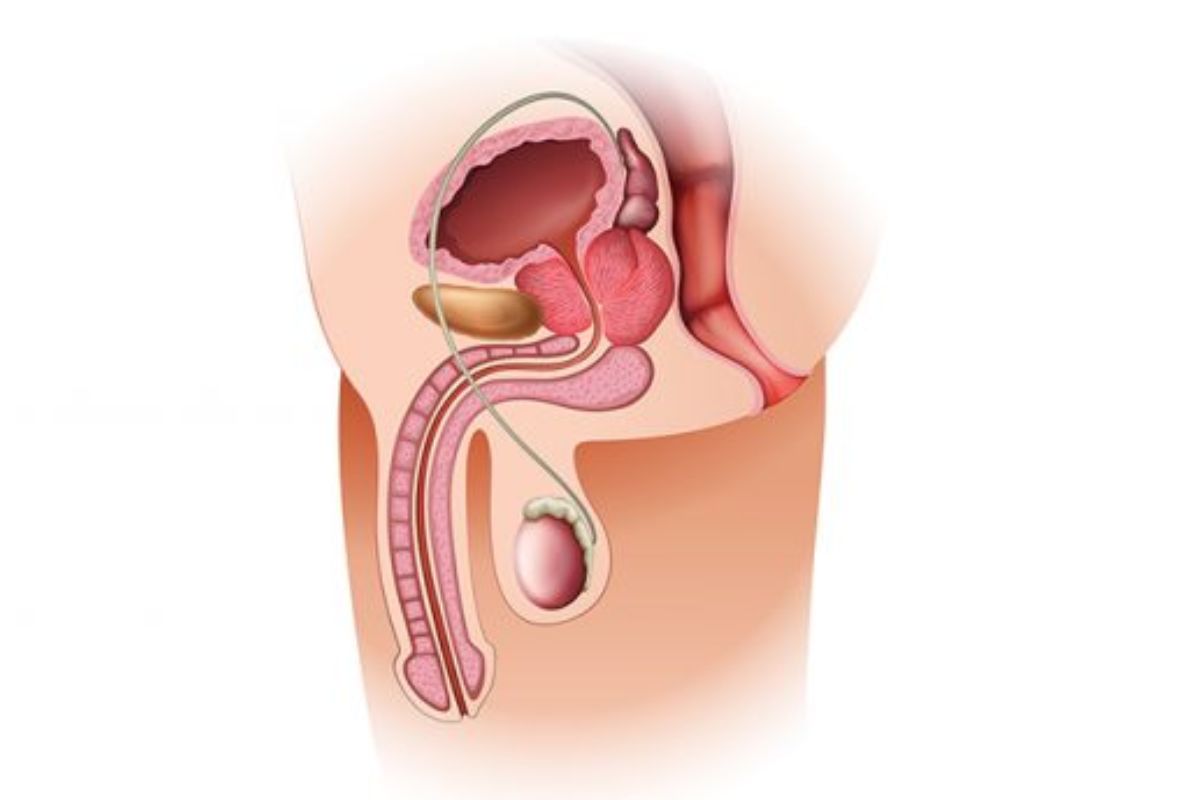
A urologist specializes in the urinary tract and male reproductive system.
We can help identify if your symptoms are connected to a urological condition.
Here’s a look at common scenarios.
| Symptom Category | Common Examples | Potential Urological Connection |
|---|---|---|
| Hormonal | Fatigue, muscle loss, mood changes | Low testosterone, endocrine disorders |
| Erectile | Difficulty getting/maintaining erections | Vascular issues, nerve damage, hormonal imbalance |
| Urinary | Frequent urination, pelvic pain, leakage | Bladder issues, urinary tract infections, interstitial cystitis |
| Prostate | Weak urine flow, pain in prostate area | BPH, prostatitis, prostate cancer |
| General Wellness | Chronic illness, medication side effects | Kidney disease, diabetes, certain medications affecting sexual function |
FAQs About Low Sexual Desire & Urology
We get a lot of questions about these sensitive topics.
Here are some common ones that might resonate with you.
Can stress cause low sexual desire?
Yes, absolutely.
Stress and anxiety are major contributors to low libido.
However, if combined with other physical symptoms like ED or urinary issues, it’s worth investigating further with a urologist.
Are there lifestyle changes that can help improve sexual desire?
Many healthy lifestyle choices can support sexual health.
Regular exercise, a balanced diet, adequate sleep, and managing stress can all make a difference.
However, these might not be enough if an underlying urological issue is present.
What kind of tests might a urologist perform?
We might start with a physical examination and blood tests to check hormone levels (like testosterone) and overall health.
Depending on your symptoms, we might also suggest urine tests or imaging studies to look at your kidneys, bladder, or prostate.
Is low sexual desire always a sign of a serious problem?
Not always.
Sometimes it’s a temporary blip due to tiredness or minor stress.
But if it’s persistent, bothersome, or accompanied by other physical symptoms, it’s always best to get it checked out by a professional to rule out anything serious.
How Modern Care Can Help
At Modern Care, located conveniently in Centre Saint Nicolas in Antelias, our dedicated team of urologists is here to provide confidential and expert care for individuals across Lebanon.
We specialize in diagnosing and treating a wide range of urological conditions that can affect sexual health and desire.
You can learn more about our services and our approach to patient care on our contact page.
Considering your options? We can help! Call us at 96176887676 or book a consultation to get started.
We hope this overview helps you understand the potential connections between your sexual health and urological well-being.
Don’t let embarrassment or fear keep you from seeking answers.
Taking that first step can lead to a clearer understanding and effective treatment.
Remember to pay attention to your body and recognize the signs.
Is Your Low Sexual Desire a Urological Issue? Symptoms to Watch – paying attention to these symptoms is key to finding the right solution.