
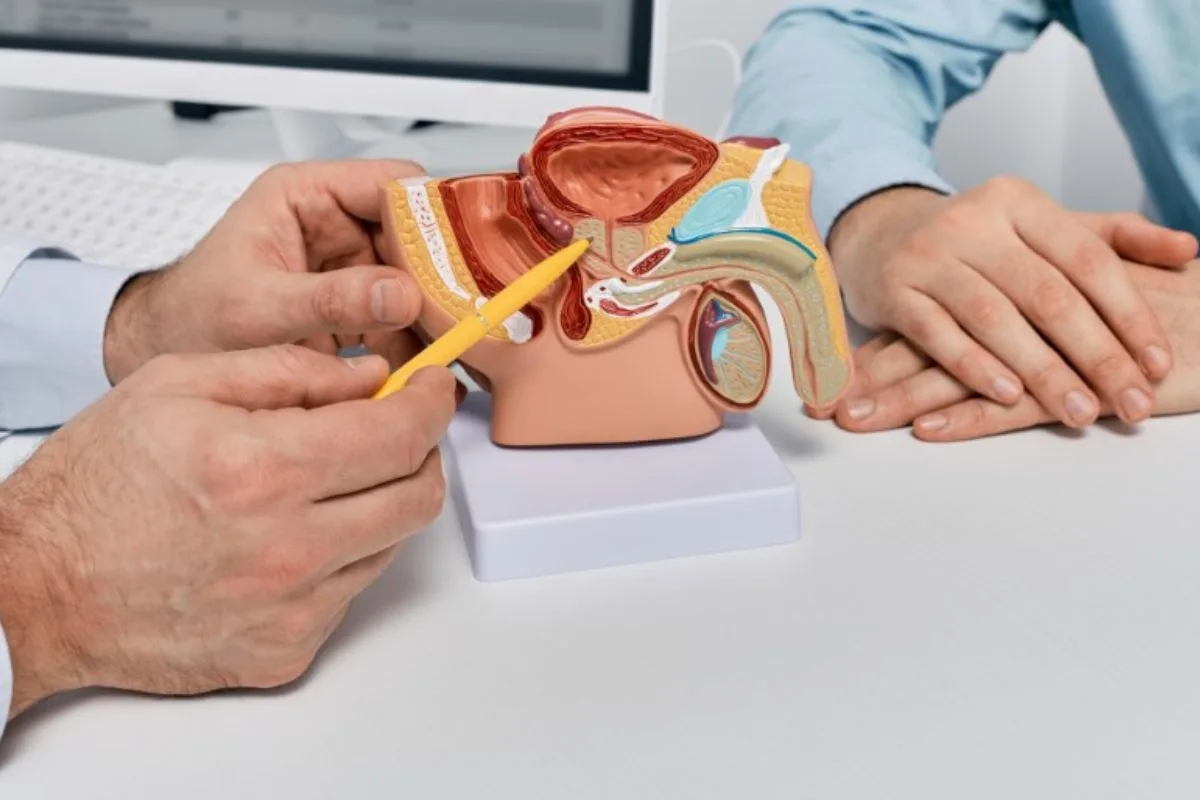
Your Guide to Recovery After Nanoknife Prostate Cancer Treatment in Lebanon
Hearing you need prostate cancer treatment can bring a mix of emotions, especially here in Lebanon where family and community support are so important.
You’re probably wondering what life looks like after treatment, and that’s a completely normal concern.
If you’ve undergone or are considering Nanoknife Prostate Cancer Treatment in Lebanon, understanding the recovery process is key to getting back to your routine and feeling your best.
We’re here to walk you through what to expect on your journey to recovery.
Understanding Nanoknife Recovery
Nanoknife, or irreversible electroporation (IRE), is a minimally invasive treatment for prostate cancer that uses electrical pulses to destroy cancer cells while sparing surrounding healthy tissue.
This approach often leads to a quicker recovery compared to traditional surgeries.
But even with less invasive procedures, your body needs time to heal.

The First Few Days: Immediate Post-Op Care
Here’s what to expect right after your Nanoknife procedure:
- Pain Management: You might experience some mild discomfort or soreness, which can be managed with prescribed medication.
- Catheter Care: A urinary catheter may be in place for a short period to help with bladder drainage, and we’ll provide instructions for its care.
- Rest: Prioritize rest to allow your body to begin healing effectively.
- Hydration: Drink plenty of fluids to aid in recovery and support healthy urinary function.
- Monitoring: We will closely monitor your progress in the clinic to ensure you’re recovering well before you head home.
Navigating Your Recovery Journey at Home
Once you’re home, your recovery truly begins.
Let’s break down some important aspects of your post-treatment care.
Diet and Nutrition for Healing
Eating well plays a vital role in your recovery.
- Fiber-Rich Foods: Include fruits, vegetables, and whole grains in your diet to prevent constipation, which can strain your pelvic area.
- Lean Proteins: Essential for tissue repair and building back your strength.
- Plenty of Water: Continue to hydrate well throughout the day.
- Avoid Irritants: Limit caffeine, alcohol, and spicy foods that might irritate your bladder during the initial healing phase.
Gentle Activity and Exercise
Gradual return to activity is important, but always listen to your body and your doctor’s advice.
| Activity Type | Recommendation | Benefits for Recovery |
|---|---|---|
| Light Walking | Start short walks daily, gradually increasing distance and duration as you feel comfortable. | Improves circulation, prevents blood clots, helps with bowel function, and boosts mood. |
| Pelvic Floor Exercises (Kegels) | Start when cleared by your doctor, often under the guidance of a physical therapist. | Helps regain bladder control and strengthens pelvic muscles. |
| Heavy Lifting / Strenuous Exercise | Avoid for several weeks, or as advised by your urologist, to prevent strain on the surgical site. | Prevents complications and promotes proper internal healing. |
Emotional Well-being and Support
Recovering from prostate cancer isn’t just physical; it’s also an emotional journey.
It’s normal to feel a range of emotions during this time, from relief to anxiety.
Seeking Support
- Talk to Loved Ones: Share your feelings with family and friends who can provide emotional support.
- Connect with Support Groups: Finding others who have gone through similar experiences can be incredibly helpful and reassuring.
- Professional Counseling: Don’t hesitate to seek support from a counselor or therapist if you’re struggling with anxiety, depression, or coping with the diagnosis.
Considering your options? We can help! Call us at 96176887676 or book a consultation to get started.
Follow-up Appointments and Long-Term Care
Regular follow-up appointments are a crucial part of your recovery after Nanoknife treatment.
At Modern Care, we emphasize continuous monitoring to ensure your long-term health and peace of mind.
- Scheduled Visits: Your urologist will schedule regular follow-ups to check your progress, address any concerns, and conduct necessary tests.
- PSA Monitoring: Regular Prostate-Specific Antigen (PSA) tests will be performed to track the treatment’s effectiveness and monitor for any changes.
- Lifestyle Adjustments: We’ll discuss any ongoing lifestyle changes, such as diet and exercise, that can further benefit your prostate health and overall well-being.
Frequently Asked Questions About Nanoknife Recovery
How long does full recovery take after Nanoknife?
While immediate recovery and hospital discharge are often quick, full internal healing and a return to all normal activities can vary, typically taking several weeks to a few months. Your urologist at Modern Care will provide a personalized timeline based on your specific case.
Will I experience urinary issues or erectile dysfunction?
Nanoknife is known for its precision and ability to preserve surrounding healthy tissues, which often minimizes risks to urinary and sexual function compared to more invasive treatments. However, some temporary changes might occur. We will discuss specific expectations and potential management strategies with you during your consultations.
What signs should I watch out for during recovery?
It’s important to contact us immediately if you experience concerning symptoms such as a high fever (above 38°C or 100.4°F), severe or worsening pain, difficulty urinating, significant blood in your urine, or excessive bleeding from the treatment site. These could indicate complications requiring prompt medical attention.
Your journey to recovery after Nanoknife Prostate Cancer Treatment in Lebanon is a significant one, and we understand you want to get back to living life fully.
Remember, you’re not alone in this process.
We are committed to providing comprehensive care and support every step of the way, helping you regain your health and quality of life.