
Lifestyle Changes for Overactive Bladder: Beyond Medication
Living with overactive bladder (OAB) can feel isolating and deeply impact your daily routine.
The constant urge to find a restroom, the fear of leakage, and the disruption to sleep can make life challenging.
Many people immediately think of medication, but there’s a powerful and often overlooked first line of defense: lifestyle changes for overactive bladder: beyond medication.
At Modern Care, we understand these challenges, and we’re here to share how simple adjustments can make a big difference in managing your bladder symptoms.
Understanding Overactive Bladder (OAB)
Overactive bladder is a common condition that causes a sudden, strong urge to urinate.
This urge can be difficult to control and may lead to involuntary loss of urine, also known as urge incontinence.
It’s not just an inconvenience; it can truly affect your quality of life.
Understanding the symptoms is the first step toward managing them effectively.
Common OAB Symptoms
- Urinary Urgency: A sudden, strong need to urinate that is difficult to postpone.
- Urinary Frequency: Urinating more often than usual, typically eight or more times in 24 hours.
- Nocturia: Waking up two or more times at night to urinate.
- Urge Incontinence: The involuntary loss of urine immediately following a strong urge to urinate.
The Power of Lifestyle Adjustments
Before considering medications, many of our patients find significant relief through thoughtful lifestyle adjustments.
These changes are often simple to implement and can provide substantial improvements in bladder control and overall comfort.
Let’s explore some key areas where you can make a difference.
Dietary Modifications for Bladder Health
What you eat and drink can have a surprising impact on your bladder.
Certain foods and beverages can irritate the bladder, increasing urgency and frequency.
Here’s a breakdown of what to consider.
Bladder Irritants to Limit
- Caffeinated Drinks: Coffee, tea, and energy drinks can act as diuretics and bladder stimulants.
- Alcohol: A diuretic that can increase urine production and irritate the bladder lining.
- Acidic Foods & Drinks: Citrus fruits, tomatoes, and some juices can worsen symptoms for some.
- Spicy Foods: Can irritate the bladder, similar to how they might irritate other sensitive tissues.
- Artificial Sweeteners: Some people find these can trigger OAB symptoms.
Bladder-Friendly Options
- Water: Essential for hydration, but manage timing.
- Less Acidic Fruits: Apples, pears, blueberries, and bananas are generally well-tolerated.
- Non-Caffeinated Herbal Teas: Gentle on the bladder.
- Fiber-Rich Foods: To prevent constipation, which can put pressure on the bladder.
Fluid Management Strategies
It might seem counterintuitive, but restricting fluids too much can actually make OAB worse by concentrating urine, which can irritate the bladder.
The key is smart hydration.
- Drink Adequate Water: Aim for sufficient hydration, but spread it out throughout the day.
- Limit Fluids Before Bed: Try to reduce fluid intake 2-3 hours before sleep to reduce nocturia.
- Avoid “Chugging”: Sipping water slowly is generally better than large, rapid intakes.
Bladder Training and Pelvic Floor Exercises
These behavioral therapies are cornerstones of non-pharmacological OAB treatment.
They involve retraining your bladder and strengthening the muscles that support it.
What is Bladder Training?
Bladder training aims to increase the amount of urine your bladder can hold and lengthen the time between bathroom visits.
It’s about gradually retraining your bladder to hold urine for longer periods.
- Keep a Bladder Diary: Track your current urination patterns for a few days.
- Schedule Bathroom Breaks: Start by going to the toilet at set intervals, even if you don’t feel the urge.
- Gradually Increase Intervals: Slowly extend the time between bathroom visits by 15-30 minutes, aiming to reach 3-4 hours.
- Resist Urge: When you feel the urge, try to distract yourself or perform a quick Kegel to suppress it.
Pelvic Floor Exercises (Kegels)
Your pelvic floor muscles support your bladder and help control urinary flow.
Strengthening these muscles can significantly improve bladder control, especially with urge incontinence.
You can learn more about related conditions and solutions on our pelvic pain solutions page.
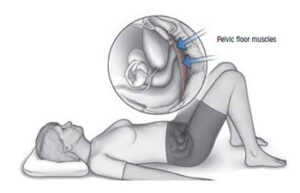
- Identify the Muscles: Imagine you’re trying to stop the flow of urine or prevent passing gas.
- Contract and Hold: Squeeze these muscles, hold for 3-5 seconds, then relax for the same amount of time.
- Repeat: Aim for 10-15 repetitions, three times a day.
- Consistency is Key: Regular practice over several weeks or months yields the best results.
Comparing Approaches: Diet and Hydration
To illustrate the impact of dietary choices, let’s look at how different food and drink categories can affect your bladder.
| Category | Bladder Irritant Examples | Bladder-Friendly Examples |
|---|---|---|
| Drinks | Coffee, Tea, Alcohol, Carbonated drinks, Citrus juices | Water, Herbal teas (decaf), Diluted fruit juices (non-citrus) |
| Fruits | Oranges, Grapefruits, Tomatoes, Pineapple | Apples, Pears, Bananas, Blueberries, Melons |
| Spices | Chili peppers, Cayenne pepper, Hot sauces | Mild spices, Herbs like basil, oregano, parsley |
| Sweeteners | Artificial sweeteners (some people report issues) | Natural sweeteners in moderation (honey, maple syrup) |
| Other | Chocolate (due to caffeine), Highly processed foods | Fiber-rich foods, Lean proteins, Most vegetables |
When to Seek Professional Help at Modern Care
While lifestyle changes are incredibly effective, it’s important to remember that they are often part of a broader treatment plan.
If your symptoms persist or significantly impact your quality of life despite making these adjustments, it’s time to consult with a specialist.
Our team at Modern Care, a leading Urologist clinic in Antelias, Lebanon, is dedicated to providing personalized care.
We can help diagnose underlying issues and explore further treatment options tailored to your needs.
Considering your options? We can help! Call us at 96176887676 or book a consultation to get started.
Frequently Asked Questions About OAB Management
Can stress make my OAB symptoms worse?
Yes, absolutely.
Stress and anxiety can heighten the perception of bladder urgency and increase urinary frequency.
Practicing relaxation techniques like deep breathing, meditation, or yoga can be beneficial in managing OAB symptoms related to stress.
How long does it take to see results from lifestyle changes?
The timeframe can vary for each individual, but many people start to notice improvements within a few weeks of consistently implementing dietary adjustments, fluid management, and bladder training.
Pelvic floor exercises may take a bit longer, often requiring 6-12 weeks of regular practice to show significant results.
Consistency is key.
Do I need to give up all my favorite foods if they irritate my bladder?
Not necessarily!
The goal isn’t always complete elimination but often moderation and identifying your personal triggers.
You might find that a small amount of coffee is fine, but a large amount causes issues.
Keeping a bladder diary can help you pinpoint specific triggers and manage them without completely sacrificing everything you enjoy.
Are these lifestyle changes only for mild OAB?
Not at all.
While they are an excellent first step for mild symptoms, lifestyle changes are often recommended as a foundational part of treatment for all severities of OAB, even when medication or other therapies are also used.
They complement other treatments and can significantly enhance overall outcomes.
Embracing lifestyle changes for overactive bladder: beyond medication offers a powerful path toward regaining control and improving your quality of life.
By understanding your body, making informed choices about your diet and fluids, and incorporating behavioral therapies like bladder training and pelvic floor exercises, you can significantly reduce the impact of OAB.
Remember, you don’t have to navigate this journey alone; expert guidance is available to support you every step of the way.