
If you’ve experienced the excruciating pain of kidney stones, you know it’s an ordeal you never want to repeat.
The good news is that for many people, preventing recurrent kidney stones is entirely possible through careful dietary adjustments and lifestyle changes.
Here at Modern Care, we understand your concerns and are here to guide you through practical steps to maintain your kidney health.
Let’s explore how a urologist’s diet and lifestyle tips can make a real difference for you.
Understanding Kidney Stones: Why They Form
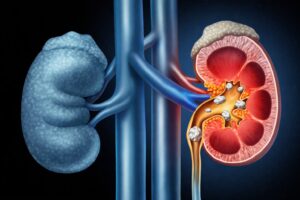
Kidney stones are hard deposits made of minerals and salts that form inside your kidneys.
They can be tiny, like a grain of sand, or as large as a golf ball.
Often, they form when your urine becomes too concentrated, allowing minerals to crystallize and stick together.
Several factors contribute to their development, and understanding them is the first step toward prevention.
Common Types of Kidney Stones
- Calcium Oxalate Stones: These are the most common type. They form when calcium combines with oxalate in the urine.
- Calcium Phosphate Stones: Less common, these form when calcium combines with phosphate.
- Uric Acid Stones: These can form in people who don’t drink enough fluids or who eat a high-protein diet.
- Struvite Stones: Often a result of urinary tract infections, these can grow quickly and become quite large.
- Cystine Stones: These are rare and result from a hereditary disorder that causes the kidneys to excrete too much of a certain amino acid.
Dietary Strategies for Stone Prevention
What you eat and drink plays a monumental role in preventing kidney stones.
Our goal is to help you create a urine environment where stones are less likely to form.
Here’s a breakdown of key dietary considerations.
Hydration is Key
This might sound simple, but it’s perhaps the most crucial advice.
Drinking enough water helps dilute your urine, making it harder for stone-forming minerals to crystallize.

- Aim for 2.5 to 3 liters of fluid intake per day.
- Water is best, but clear broths and some juices can also contribute.
- Monitor your urine color; it should be light yellow or almost clear.
Sodium Intake
A high-sodium diet can increase the amount of calcium in your urine, which can lead to calcium stone formation.
- Limit processed foods, canned soups, and fast food.
- Check food labels for sodium content.
- Flavor your food with herbs and spices instead of salt.
Oxalate-Rich Foods
If you’re prone to calcium oxalate stones, reducing oxalate in your diet is important.
- Examples of high-oxalate foods include spinach, rhubarb, almonds, chocolate, and instant coffee.
- You don’t need to eliminate them entirely, but consume them in moderation.
- Pair oxalate-rich foods with calcium-rich foods (like milk or yogurt) to help bind oxalate in the gut before it reaches the kidneys.
Animal Protein
High intake of animal protein, especially red meat, can increase uric acid levels and decrease urine citrate, both of which can promote stone formation.
- Moderate your consumption of meat, poultry, and fish.
- Explore plant-based protein sources like legumes and tofu.
Calcium and Citrate
It might seem counterintuitive, but limiting dietary calcium isn’t usually recommended for calcium oxalate stone prevention.
In fact, adequate dietary calcium can help!
- Get calcium from food sources like milk, cheese, and yogurt, rather than supplements (unless advised by your doctor).
- Citrate, found in citrus fruits like lemons and oranges, helps prevent stone formation by binding to calcium and inhibiting crystal growth.
- Consider adding fresh lemon juice to your water.
Comparative Look: Stone Types & Dietary Focus
Here’s a simplified comparison of dietary focuses based on common kidney stone types:
| Stone Type | Primary Dietary Focus | Foods/Habits to Emphasize | Foods/Habits to Limit |
|---|---|---|---|
| Calcium Oxalate | Oxalate & Calcium Balance | High fluid intake, adequate dietary calcium, citrus fruits | High-oxalate foods (spinach, rhubarb, nuts), high sodium, excessive vitamin C supplements |
| Uric Acid | Purine & pH Management | High fluid intake, fruits, vegetables (to alkalinize urine) | High-purine foods (red meat, organ meats, shellfish), alcohol, high sugar intake |
| Calcium Phosphate | Sodium & Animal Protein | High fluid intake, moderate animal protein | High sodium, animal protein, excessive vitamin D supplements |
Preventing Recurrent Kidney Stones Long Term
Beyond diet, certain lifestyle choices can significantly impact your risk of developing kidney stones.
We encourage you to incorporate these habits into your daily routine.
Maintain a Healthy Weight
Obesity is a known risk factor for kidney stones.
Losing even a small amount of weight can make a difference.
- Aim for a balanced diet and regular physical activity.
- Consult a healthcare professional for personalized weight management plans.
Regular Exercise
Physical activity is beneficial for overall health and can help reduce stone formation risk.
- Find an activity you enjoy, whether it’s walking, swimming, or cycling.
- Aim for at least 30 minutes of moderate exercise most days of the week.
Medication Review
Some medications, like diuretics or calcium-based antacids, can affect stone formation.
Always discuss all your medications with your doctor.
Considering your options? We can help! Call us at 96176887676 or book a consultation to get started.
Frequently Asked Questions About Kidney Stone Prevention
Can I drink coffee and tea if I’m prone to kidney stones?
Moderate consumption of coffee and tea is generally considered acceptable. While some teas contain oxalates, the fluid intake often outweighs the oxalate content for most individuals. However, if you are a high-oxalate stone former, discussing specific recommendations with your urologist is best.
Are kidney stone prevention diets difficult to follow?
Like any dietary change, it takes some adjustment. However, many of the recommended changes, such as increasing fluid intake and reducing processed foods, are beneficial for overall health. With guidance from our team at Modern Care, you can find practical and sustainable ways to incorporate these changes into your lifestyle without feeling deprived.
How often should I follow up with my urologist?
The frequency of follow-up depends on your individual risk factors, stone history, and the type of stone you’ve had. Your urologist will create a personalized follow-up schedule for you, which may include urine tests and imaging to monitor your kidney health and ensure the prevention strategies are effective. Regular check-ups are key to long-term success.
Taking proactive steps is crucial for your kidney health, especially if you’ve experienced stones before.
By adopting these “Preventing Recurrent Kidney Stones: A Urologist’s Diet & Lifestyle Tips,” you can significantly reduce your risk and improve your overall well-being.
Remember, consistent effort in your diet and lifestyle choices can lead to a stone-free future.