
Understanding Bladder Tumor Biopsy: What Patients Need to Know
Receiving news about a potential bladder tumor can be unsettling.
It’s natural to feel anxious and have many questions about what comes next.
One of the most crucial steps in determining a diagnosis and planning treatment is a bladder tumor biopsy.
We understand this can be a daunting prospect, but learning about the process can help ease your mind.
Let’s walk through the ins and outs of Understanding Bladder Tumor Biopsy: What Patients Need to Know, so you feel more prepared and informed.
What Exactly is a Bladder Tumor Biopsy?
A biopsy is a medical procedure where a small tissue sample is taken from your body to be examined under a microscope.
In the case of a bladder tumor, this helps our specialists at Modern Care confirm if the cells are cancerous, and if so, what type of cancer it is and how aggressive it might be.
This information is vital for us to create the most effective treatment plan tailored just for you.
Why is a Biopsy Necessary?
- To confirm the presence of cancer cells.
- To determine the exact type of bladder cancer.
- To assess the tumor’s grade (how aggressive it is).
- To help determine the stage of the cancer.
- To guide treatment decisions and prognosis.
The Biopsy Procedure: What to Expect
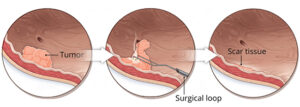
The most common type of bladder tumor biopsy is performed during a procedure called a Transurethral Resection of Bladder Tumor (TURBT).
This procedure isn’t just for diagnosis; it often serves as the initial treatment to remove visible tumors.
Before Your TURBT
Preparation is key for any medical procedure.
Here’s what you might need to do:
- Discuss Medications: Inform your doctor about all medications, supplements, and herbal remedies you are taking. You might need to stop certain blood thinners a few days before the procedure.
- Fasting: You’ll likely be asked not to eat or drink for several hours before the biopsy, especially if you’re receiving general anesthesia.
- Arranging Transport: Since you’ll be under anesthesia, you’ll need someone to drive you home afterward.
- Ask Questions: Don’t hesitate to ask our team any questions you have beforehand. We want you to feel completely comfortable.
During the TURBT Procedure
The TURBT is typically performed under general or spinal anesthesia.
Here’s a general overview:
- You will be given anesthesia to ensure you don’t feel any pain.
- Your urologist will insert a thin, lighted instrument called a resectoscope into your urethra and guide it into your bladder.
- The resectoscope allows the doctor to see the inside of your bladder.
- Using a wire loop, the doctor will carefully remove the visible tumor(s) and take tissue samples from different areas of the bladder lining.
- The removed tissue and tumors are then sent to a pathology lab for detailed examination.
After the Biopsy: Recovery and Results
Once the procedure is done, your recovery journey begins, and then comes waiting for the results.
What to Expect During Recovery
After a TURBT, it’s normal to experience a few things:
- Urinary Discomfort: You might feel a burning sensation when you urinate or see blood in your urine for a few days to a few weeks. This is usually normal.
- Increased Urination: You may need to urinate more frequently than usual.
- Pain Management: We will provide you with instructions for managing any discomfort.
- Activity Restrictions: You might be advised to avoid strenuous activities, heavy lifting, and sexual intercourse for a period.
If you experience severe pain, heavy bleeding, fever, or difficulty urinating, please contact us immediately.
Understanding Your Biopsy Results
The pathologist will examine the tissue samples to determine if cancer cells are present.
Here’s a look at what the results might tell us:
| Finding | What It Means |
|---|---|
| Benign | No cancer cells found. |
| Malignant | Cancer cells are present. |
| Tumor Grade | Describes how aggressive the cancer cells look under the microscope (e.g., low-grade, high-grade). |
| Tumor Stage | Indicates how far the cancer has grown into the bladder wall or spread to other areas. |
We will schedule a follow-up appointment to discuss your results in detail and outline the next steps for your care.
You can find more helpful articles and news on our blog.
Frequently Asked Questions About Bladder Biopsies
Is a bladder biopsy painful?
The procedure itself is performed under anesthesia, so you won’t feel pain during it. You may experience some discomfort or burning during urination for a few days afterward, which can usually be managed with prescribed pain medication.
How long does it take to get biopsy results?
Typically, biopsy results are available within 7-10 business days. However, this can vary depending on the complexity of the case and the lab’s workload. We will inform you when to expect your results and schedule a follow-up to discuss them.
What happens if cancer is found?
If cancer is found, our team at Modern Care will explain your specific diagnosis, including the type, grade, and stage of the cancer. We will then discuss all available treatment options, which may include further surgery, chemotherapy, immunotherapy, or radiation, based on your individual needs. You can learn more about cancer care on our cancer category page.
Are there risks associated with a bladder biopsy?
Like any medical procedure, there are potential risks, though they are generally low. These can include bleeding, infection, a temporary increase in urinary frequency, or, rarely, perforation of the bladder. Our team will discuss these risks with you before your procedure.
Considering your options? We can help! Call us at 96176887676 or book a consultation to get started.
At Modern Care in Antelias, Lebanon, we are committed to providing compassionate and comprehensive urological care.
We believe that being well-informed is a crucial part of your health journey.
We hope this guide on Understanding Bladder Tumor Biopsy: What Patients Need to Know has provided clarity and reassurance.
If you have further questions or need support, please reach out to our team.