
Let’s be honest, health topics can sometimes feel overwhelming, especially when there’s so much information out there.
When it comes to prostate health, there are many common misconceptions and old wives’ tales floating around.
It’s easy to get confused about what’s true and what’s not, and this confusion can lead to unnecessary worry or even prevent men from seeking important care.
That’s why we’re here to tackle some of the most persistent the most persistent prostate cancer myths, helping you understand the real deal about this important men’s health issue.
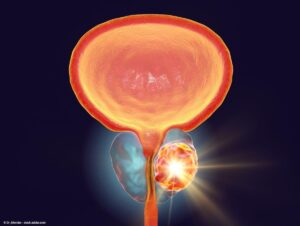
Common Prostate Cancer Myths Debunked
Navigating the world of health information can be tricky, and prostate cancer is no exception.
Let’s clear up some of the most common misunderstandings we often hear.
Myth 1: Age is the Only Risk Factor
Many people believe that only very old men get prostate cancer.
While age certainly increases risk, it’s not theonly factor.
- Fact: While most prostate cancer cases are diagnosed in men over 65, it can affect younger men too, especially those with certain risk factors.
- Family history significantly increases risk. If your father or brother had prostate cancer, your risk doubles.
- Ethnic background plays a role; African American men have a higher risk of developing and dying from prostate cancer.
- Diet and lifestyle factors are also being researched as potential contributors to prostate health.
Myth 2: Prostate Cancer Always Has Obvious Symptoms
Some think they’ll just know if something is wrong because of symptoms.
But this isn’t always the case, especially in early stages.
- Fact: In its early stages, prostate cancer often has no symptoms at all.
- Symptoms, when they do appear, can be similar to those of benign prostatic hyperplasia (BPH), a non-cancerous enlargement of the prostate.
- These can include difficulty urinating, a weak or interrupted urine flow, frequent urination (especially at night), or blood in urine or semen.
- Early detection through regular medical facts and screenings is crucial, as symptoms often only appear when the cancer is more advanced.
Understanding Key Differences: Myth vs. Reality
To help you better grasp these concepts, we’ve put together a quick comparison of common beliefs versus the actual facts about prostate cancer.
| Common Myth | The Reality |
|---|---|
| Vasectomies cause prostate cancer. | Multiple studies have found no clear link between vasectomy and an increased risk of prostate cancer. |
| Frequent ejaculation prevents prostate cancer. | While some studies suggest a possible link, there’s no conclusive evidence or official recommendation to increase ejaculation frequency for cancer prevention. |
| Prostate cancer is always aggressive and deadly. | Many prostate cancers are slow-growing and may never cause significant health problems, especially in older men. Active surveillance is often an option. |
| A high PSA test means you have cancer. | A high PSA level can be caused by many factors other than cancer, such as infection, inflammation, or BPH. It indicates further investigation is needed. |
Your Questions Answered: FAQs About Prostate Cancer
We know you might have more questions, so we’ve addressed some common ones here.
Does diet affect prostate cancer risk?
While no specific food can prevent prostate cancer, a balanced diet rich in fruits, vegetables, and whole grains, and low in red and processed meats, can support overall health and might reduce your risk. Some research suggests that foods like tomatoes (lycopene) and green tea may offer benefits, but more studies are needed.
When should I start prostate cancer screening?
The decision to start screening is a personal one, best made with your doctor. Generally, discussions about screening begin around age 50 for men at average risk. For those with a family history or who are African American, it might start earlier, around age 40 or 45. We recommend discussing your specific risk factors with a prostate specialist at Modern Care.
What are the treatment options if I’m diagnosed?
Treatment options vary greatly depending on the cancer’s stage, grade, your age, and overall health. They can include active surveillance, surgery, radiation therapy, hormone therapy, and chemotherapy. Our team at Modern Care works with you to develop a personalized treatment plan that fits your needs. You can learn more about different approaches and even consider an online consultation to discuss your unique situation.

Considering your options? We can help! Call us at 96176887676 or book a consultation to get started.
Our dedicated team at Modern Care is committed to providing comprehensive care and support for men’s health, right here in Lebanon.
You can also find us at our clinic: Centre Saint Nicolas,1st Floor Restaurants main street, Antelias.
Understanding prostate cancer means separating the truth from common misunderstandings.
We hope this guide has helped clarify some of the confusion surrounding this important health issue.
Remember, staying informed and proactive about your health is key.
Don’t let misleading information stand in the way of getting the facts you need.
When it comes to the most persistent prostate cancer myths, knowledge truly is power.