
The Regenerative Power of PRP: Exploring Non-Surgical Solutions for Urological Conditions Beyond Peyronie’s
Many individuals face sensitive urological conditions that impact their quality of life.
The thought of surgery can be daunting and often brings concerns about recovery time and potential complications.
Here in Lebanon, many are looking for less invasive options, and that’s where the exciting field of regenerative medicine comes in.
We’re diving deep into The Regenerative Power of PRP: Exploring Non-Surgical Solutions for Urological Conditions Beyond Peyronie’s, looking at how this innovative treatment offers hope.
At Modern Care, we believe in providing advanced, patient-focused solutions right here in Beirut.
What Exactly Is PRP? Let’s Break It Down
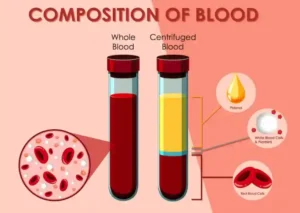
PRP stands for Platelet-Rich Plasma.
It’s a cutting-edge treatment that uses your body’s own healing components.
Essentially, we draw a small amount of your blood, similar to a standard blood test.
Then, we process it to concentrate the platelets, which are packed with growth factors.
These powerful growth factors are what promote healing and tissue regeneration when injected back into a specific area.
How Does PRP Work for Urological Health?
The premise is simple yet effective.
By injecting concentrated platelets into damaged or dysfunctional tissue within the urinary or reproductive system, we can stimulate natural healing processes.
This helps repair cells, improve blood flow, and reduce inflammation.
It’s a natural approach that leverages your body’s innate ability to heal itself.
Beyond Peyronie’s: Other Urological Conditions PRP Can Help
While PRP has gained significant attention for treating Peyronie’s disease, its applications extend far beyond.
Many common urological issues can potentially benefit from this regenerative therapy.
Erectile Dysfunction (ED)
For men struggling with ED, PRP offers a promising non-surgical alternative.
- PRP injections can improve blood flow to the penis.
- They stimulate the growth of new blood vessels.
- This can lead to stronger, firmer erections and improved sexual function.
- You can learn more about sexual health solutions on our website.
Urinary Incontinence
Both men and women can experience urinary incontinence, which can be incredibly disruptive.
PRP may help by:
- Strengthening the tissues around the urethra and bladder.
- Improving muscle control and support.
- Reducing involuntary urine leakage.
Chronic Pelvic Pain
Persistent pelvic pain can have various urological causes.
PRP’s anti-inflammatory and regenerative properties can offer relief.
- It helps heal damaged tissues that contribute to pain.
- Reduces inflammation in the affected areas.
- Promotes long-term comfort for patients.
Interstitial Cystitis (Painful Bladder Syndrome)
This chronic bladder condition causes significant discomfort and frequent urination.
PRP can be considered for:
- Repairing the bladder lining.
- Reducing inflammation within the bladder wall.
- Alleviating pain and urgency symptoms.
Benefits of Choosing PRP for Urological Conditions
When considering treatment options, understanding the advantages of PRP is key.
- Minimally Invasive: No surgery means less risk and faster recovery.
- Natural: Uses your body’s own cells, reducing the risk of allergic reactions or side effects.
- Reduced Downtime: Most patients can resume normal activities quickly.
- Potential for Lasting Results: By promoting natural healing, PRP can offer long-term improvements.
- Versatile: Applicable to a range of urological issues.
PRP vs. Traditional Approaches: A Quick Look
Let’s compare PRP with some more conventional methods for urological concerns.
| Feature | PRP (Platelet-Rich Plasma) | Traditional Medications/Oral Pills | Surgical Interventions |
|---|---|---|---|
| Approach | Non-surgical, regenerative injection therapy using patient’s own blood. | Systemic drug administration (e.g., PDE5 inhibitors for ED, anticholinergics for OAB). | Invasive procedures (e.g., implants for ED, sling procedures for incontinence). |
| Mechanism | Stimulates natural tissue repair and blood vessel growth using growth factors. | Addresses symptoms by altering bodily functions or chemical pathways. | Physically alters or replaces anatomical structures. |
| Recovery Time | Minimal to no downtime, mild discomfort possible. | No physical recovery, but may require dosage adjustments. | Significant downtime, potential for hospital stay and extended recovery period. |
| Potential Side Effects | Low risk, usually minor swelling or bruising at injection site. | Varies widely depending on medication (e.g., headaches, flushing, dry mouth). | Risk of infection, bleeding, anesthesia risks, device malfunction, prolonged pain. |
| Long-term Healing | Aims to promote actual tissue regeneration and lasting improvement. | Primarily manages symptoms, often requires continuous use. | Offers structural correction but does not stimulate natural tissue regeneration. |
Frequently Asked Questions About PRP
Is PRP treatment painful?
Most patients report minimal discomfort during the procedure.
We typically use a topical anesthetic to numb the area before injection.
You might feel a mild pressure or stinging sensation.
How many PRP sessions will I need?
The number of sessions varies depending on your specific condition and how your body responds.
Often, a series of 2-4 treatments spaced several weeks apart is recommended.
We’ll discuss a personalized treatment plan during your consultation.
When can I expect to see results?
Results can vary, but many patients begin to notice improvements within a few weeks to a few months after their initial treatment.
Since PRP stimulates natural healing, the process is gradual.
Is PRP safe for everyone?
PRP is generally considered safe because it uses your own blood.
However, it’s not suitable for everyone.
A thorough medical evaluation is essential to determine if you are a good candidate.
We take your health history seriously at Modern Care.
Considering your options? We can help! Call us at 96176887676 or book a consultation to get started.
We are proud to offer advanced urological care from our clinic in Antelias, Lebanon, ensuring our community has access to the latest treatments.
Our team at Modern Care is dedicated to exploring all avenues to help you achieve better health and well-being.
Stay informed on other health topics by checking out our blog.
Embracing the potential of regenerative medicine, particularly with The Regenerative Power of PRP: Exploring Non-Surgical Solutions for Urological Conditions Beyond Peyronie’s, opens new doors for improving urological health without the need for invasive surgery.
If you’re looking for a non-surgical approach to address your concerns, PRP might be the answer you’ve been searching for.
Don’t hesitate to reach out to our experts to learn more about how it can benefit you.