
Rezum for Prostate vs. Traditional BPH Treatments in Keserwan: A Comparison
Dealing with urinary issues can be frustrating and impact your daily life here in Keserwan.
Many men experience symptoms like frequent urges, weak stream, or nighttime awakenings due to an enlarged prostate, known as Benign Prostatic Hyperplasia (BPH).
If you’re wondering about the best way to manage these symptoms, understanding your treatment options is key.
Today, we’re diving into Rezum for Prostate vs. Traditional BPH Treatments in Keserwan: A Comparison, helping you make an informed decision for your health.
Understanding Benign Prostatic Hyperplasia (BPH)
Benign Prostatic Hyperplasia, or BPH, is a common condition where the prostate gland grows larger.
This isn’t cancer, but it can cause uncomfortable urinary symptoms.
As the prostate enlarges, it can press on the urethra, the tube that carries urine from the bladder out of the body.

Common Symptoms of BPH
These symptoms can really affect your quality of life.
You might recognize some of these:
- Frequent or urgent need to urinate
- Increased frequency of urination at night (nocturia)
- Difficulty starting urination
- Weak urine stream or a stream that stops and starts
- Dribbling at the end of urination
- Inability to completely empty the bladder
Traditional BPH Treatments: What You Should Know
For many years, traditional BPH treatments have been the standard approach.
These typically involve medications or various surgical procedures.
Let’s break it down.
Medications for BPH
Often, the first line of defense against BPH symptoms is medication.
These can help relax the bladder muscles or shrink the prostate.
- Alpha-blockers: These drugs relax the muscles in the prostate and bladder neck, making it easier to urinate.
They usually work quickly. - 5-alpha reductase inhibitors: These medications work by shrinking the prostate.
They might take a few months to show full effects. - Combination therapy: Sometimes, doctors prescribe both types of medications for better symptom relief.
Surgical Options for BPH
When medications aren’t enough, surgery might be recommended.
These procedures aim to remove or reduce the size of the prostate tissue.
- Transurethral Resection of the Prostate (TURP): This is a common surgical procedure where excess prostate tissue is removed using an instrument inserted through the urethra.
It’s highly effective but can have a longer recovery. - Laser Prostatectomy: Various laser treatments use high-energy lasers to remove or vaporize obstructive prostate tissue.
These often result in less blood loss and a quicker recovery than TURP. - Open Prostatectomy: In rare cases of very large prostates, traditional open surgery might be necessary.
Introducing Rezum: A Modern Approach
Now, let’s talk about a newer, minimally invasive option that’s gaining popularity: Rezum Water Vapor Therapy.
This innovative treatment offers an alternative for men seeking relief from BPH symptoms without major surgery.
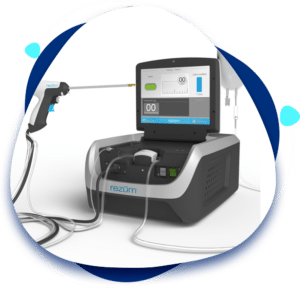
How Rezum Works
- During the procedure, a small device is inserted into the urethra.
- Sterile water vapor is delivered into the prostate tissue.
- The steam causes the prostate cells to die off and be reabsorbed by the body.
- Over time, this shrinks the prostate and reduces pressure on the urethra.
- The procedure is typically done in an outpatient setting and takes only minutes.
Benefits of Rezum
Many patients find Rezum appealing due to its distinct advantages.
It’s an important option for managing prostate health.
- Minimally invasive, meaning no surgical incisions.
- Performed under local or general anesthesia, often as an outpatient procedure.
- Typically preserves sexual function, including erectile and ejaculatory function.
- Generally quick recovery time compared to traditional surgeries.
- Symptom relief can be felt within weeks, with full effect in about three months.
Rezum vs. Traditional Treatments: A Closer Look
To help you compare, here’s a quick overview of Rezum against some traditional options.
This table highlights key differences you might consider.
| Treatment Type | How It Works | Recovery Time | Potential Side Effects |
|---|---|---|---|
| Rezum Water Vapor Therapy | Uses targeted steam to shrink prostate tissue. | Minimal downtime, often days. | Temporary discomfort, blood in urine/semen, urinary frequency. |
| TURP (Traditional Surgery) | Surgically removes obstructing prostate tissue. | Weeks of recovery, catheter for a few days. | Bleeding, infection, retrograde ejaculation, erectile dysfunction (rare). |
| BPH Medications (Alpha-blockers) | Relaxes prostate and bladder neck muscles. | No recovery time, daily medication. | Dizziness, low blood pressure, retrograde ejaculation. |
Considering Your Options in Keserwan
Choosing the right treatment for BPH is a personal decision that should be made with your urologist.
Factors like the severity of your symptoms, overall health, and personal preferences all play a role.
At Modern Care, located conveniently in Centre Saint Nicolas, Antelias, our team is dedicated to providing comprehensive urological care to our community in Keserwan and beyond.
We can walk you through all available options, including advanced treatments like Rezum, and help you find the best path forward.
Considering your options? We can help! Call us at 96176887676 or book a consultation to get started.
Frequently Asked Questions About BPH Treatments
Is Rezum therapy painful?
The Rezum procedure itself is performed under anesthesia, so you shouldn’t feel pain during the treatment.
Afterward, some patients experience temporary urinary discomfort, burning, or increased urgency for a few days to weeks, which can be managed with medication.
How long do the effects of Rezum last?
Clinical studies have shown that the benefits of Rezum therapy are durable.
Most patients experience sustained symptom relief for many years after the procedure.
Your doctor can discuss the long-term data with you.
Can BPH lead to prostate cancer?
No, BPH is not cancerous and does not increase your risk of developing prostate cancer.
However, it’s possible to have both BPH and prostate cancer at the same time.
Regular check-ups and screenings are important for early detection of any prostate issues.
What is the recovery time like after traditional BPH surgery?
Recovery after traditional surgeries like TURP typically involves a few weeks.
You might need a catheter for a few days, and physical activity may be restricted for a while.
Complete healing and full symptom improvement can take up to a few months.
Navigating the world of BPH treatments can feel overwhelming, but understanding your choices is the first step toward better health.
Whether you’re leaning towards traditional approaches or exploring innovative solutions like Rezum, our goal is to empower you with information.
We hope this comparison of Rezum for Prostate vs. Traditional BPH Treatments in Keserwan has been helpful in shedding some light on the various paths to relief from bothersome urinary symptoms.