
Is It Peyronie’s? Early Warning Signs and When to Consult a Urologist
Nobody likes to talk about changes to their body, especially when it concerns something as personal as their sexual health.
It’s natural to feel a bit uneasy or even embarrassed when things don’t feel or look quite right.
But ignoring potential issues can often lead to bigger problems down the line.
Today, we’re tackling a topic that many men wonder about but rarely discuss openly: Is It Peyronie’s? Early Warning Signs and When to Consult a Urologist.
Understanding the symptoms and knowing when to seek professional help is crucial for your well-being.
What Exactly Is Peyronie’s Disease?
Peyronie’s disease is a condition where fibrous scar tissue, known as plaque, develops inside the penis.
This plaque can cause a variety of issues.
It might lead to a noticeable curve or bend in the penis, pain, and sometimes even erectile dysfunction.
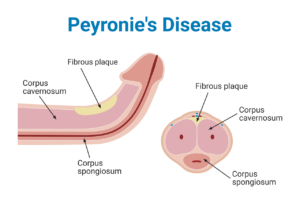
It’s not contagious, and it’s not caused by sexually transmitted infections.
The exact cause isn’t always clear, but it’s often linked to minor trauma to the penis, which can happen during sex or other activities.
Common Misconceptions About Peyronie’s
- It only affects older men: While more common in middle-aged and older men, Peyronie’s can affect men of any age.
- It will go away on its own: In some rare cases, symptoms might improve, but usually, without treatment, the condition can worsen or stabilize in a problematic state.
- It’s just a cosmetic issue: The curvature can certainly be concerning visually, but it can also cause significant pain and make sexual activity difficult or impossible.
Recognizing the Early Warning Signs
Spotting Peyronie’s early can make a big difference in treatment outcomes.
Here’s what you should pay attention to:
Key Symptoms to Watch For
- Penile Curvature: This is often the most noticeable sign.
- Your penis might develop an unusual bend or curve, often upwards, downwards, or to the side.
- This curve is typically most obvious during an erection.
- Pain: You might experience pain in the penis, especially during an erection.
- This pain can be more intense in the early “acute” phase of the disease and may lessen over time, even as the curvature persists.
- Lumps or Hard Plaques: You might feel firm lumps or bands of tissue under the skin of the penis.
- These are the plaques that cause the problem.
- Shortening of the Penis: The scar tissue can cause the penis to lose length or girth.
- Erectile Dysfunction (ED): Peyronie’s can sometimes make it difficult to achieve or maintain an erection firm enough for sex.
- This might be due to pain, changes in penile structure, or psychological stress.
If you’re noticing any of these changes, it’s wise to consider reaching out to a Urologist.
When to Consult a Urologist
It’s crucial not to delay seeking professional medical advice if you suspect Peyronie’s disease.
Early intervention can often lead to more effective treatment options.
At Modern Care, our experienced team understands the sensitive nature of these conditions and provides discreet, compassionate care.
You should definitely make an appointment if:
- You notice a new curve or bend in your penis that wasn’t there before.
- You’re experiencing pain during erections or intercourse.
- You can feel hard lumps or plaques along the shaft of your penis.
- Your erections are becoming less firm, or you’re struggling with erectile dysfunction that coincides with other symptoms.
- You feel your penis is shortening or changing shape.
Delaying a visit to a specialist like a urologist in Lebanon can sometimes make the condition harder to manage.
We encourage you to prioritize your sexual health.
Peyronie’s Symptoms vs. Normal Variations
It’s helpful to distinguish between normal penile characteristics and potential signs of Peyronie’s disease.
Let’s break it down:
| Feature | Normal Penile Variation | Peyronie’s Disease Symptoms |
|---|---|---|
| Curvature | Often a slight, consistent natural curve present since puberty, no pain. | New, distinct, often more pronounced bend or angle, typically develops over time, usually with pain initially. |
| Pain | None during erection or sex (unless injury). | Pain during erection or sexual activity, especially in the early stages. |
| Lumps/Plaques | Smooth, even penile shaft. | Palpable hard lumps or bands of fibrous tissue under the skin. |
| Erectile Function | Consistent ability to achieve and maintain erections. | May experience difficulty getting or keeping an erection, or erections may be less firm. |
| Penile Length/Girth | Stable length and girth over time. | Noticeable shortening or narrowing of the penis. |
If your symptoms align more with the “Peyronie’s Disease Symptoms” column, it’s time to speak to a professional.
Frequently Asked Questions About Peyronie’s Disease
What causes Peyronie’s disease?
The exact cause isn’t fully understood, but it’s often linked to minor trauma to the penis, such as during sex or sports injuries.
This trauma can lead to internal bleeding and scar tissue formation.
Genetic factors and certain autoimmune conditions might also play a role.
Can Peyronie’s disease be cured?
While there isn’t a single “cure-all,” various treatments can effectively manage symptoms and improve the condition.
These range from oral medications and injections to surgical procedures, depending on the severity and stage of the disease.
Our team at Modern Care can discuss the best options for you.
Is Peyronie’s disease common?
It’s more common than many people realize, affecting an estimated 1 in 10 men, though some studies suggest it could be even higher.
Many men may not seek diagnosis due to embarrassment or lack of awareness, so the true prevalence might be underreported.
Considering your options? We can help! Call us at 96176887676 or book a consultation to get started.
Taking the Next Step for Your Sexual Health
Dealing with changes in your sexual health can be challenging, but you don’t have to face it alone.
At Modern Care, our specialists are dedicated to providing expert care for conditions affecting sexual health.
We are conveniently located at Centre Saint Nicolas,1st Floor Restaurants main street, Antelias, Lebanon.
Our approach is always patient-centered, focusing on open communication and effective solutions.
Don’t let embarrassment or uncertainty prevent you from seeking the help you deserve.
Understanding Is It Peyronie’s? Early Warning Signs and When to Consult a Urologist is the first step towards feeling better and improving your quality of life.