
Peyronie’s Disease Myths Debunked: Separating Fact From Fiction in Men’s Penile Health
Let’s talk about something many men feel hesitant to discuss.
Changes in penile health can be confusing and sometimes scary.
We often hear a lot of misinformation swirling around men’s health issues, and it can be hard to know what’s real.
Today, we’re diving deep into Peyronie’s Disease Myths Debunked: Separating Fact From Fiction in Men’s Penile Health.
At Modern Care, we believe in clear, honest information, helping you understand your body better.
What Exactly is Peyronie’s Disease?
Before we tackle the myths, it’s important to understand what Peyronie’s disease actually is.
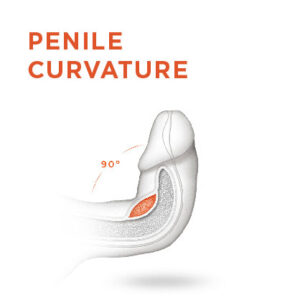
This condition involves the development of fibrous scar tissue, known as plaque, inside the penis.
This plaque can cause a variety of symptoms.
Understanding the Basics of Peyronie’s
- Plaque Formation: It’s not a tumor, but rather a tough band of scar tissue.
- Penile Curvature: The scar tissue can prevent part of the penis from stretching, leading to a bend or curve during an erection.
- Pain: Many men experience pain during erections, especially in the early stages of the disease.
- Erectile Dysfunction: Peyronie’s disease can make erections difficult or even impossible for some individuals.
- Shortening: The scar tissue can cause the penis to become shorter.
Now that we’ve covered the basics, let’s break down some common misconceptions.
Common Myths About Peyronie’s Disease
Myth 1: It’s Just a “Bend” That Goes Away on Its Own
Many men hope that a penile curvature will simply disappear over time.
Unfortunately, this isn’t usually the case with Peyronie’s disease.
It’s a progressive condition.
While the pain might lessen, the curvature often remains or can even worsen without intervention.
Myth 2: It’s Caused by Too Much Sex or Masturbation
This is a common and often embarrassing myth.
Peyronie’s disease is not caused by excessive sexual activity.
It’s typically believed to result from repeated minor trauma to the penis during intercourse or other activities.
Genetic predisposition and certain autoimmune conditions can also play a role.
You can learn more about related conditions on our sexual health page.
Myth 3: You Have to Live With It and There Are No Treatments
This myth is particularly disheartening for men experiencing symptoms.
The good news is that there are various treatment options available, depending on the stage and severity of the disease.
These can range from oral medications and injections to non-invasive therapies and, in some cases, surgical correction.
At Modern Care, we work with you to find the best approach.
Myth vs. Fact: A Quick Comparison
To help clarify, here’s a quick look at some key differences between common beliefs and the reality of Peyronie’s disease.
| Common Myth | The Fact |
|---|---|
| Peyronie’s disease is extremely rare. | It affects up to 1 in 10 men, though many may not seek help due to embarrassment. |
| It only affects older men. | While more common with age, it can affect men of any adult age. |
| The pain lasts forever. | Pain is common in the acute, inflammatory phase but often subsides as the disease stabilizes. The curvature, however, typically remains. |
| It’s a sign of a sexually transmitted infection (STI). | Peyronie’s disease is not an STI and is not contagious. |
When to See a Urologist
If you notice any unusual changes in your penis, it’s always best to consult a specialist.
Early diagnosis can make a significant difference in managing Peyronie’s disease.
Signs You Shouldn’t Ignore
- A new or worsening curvature of the penis during erection.
- Painful erections.
- Lumps or hard areas you can feel along the shaft of the penis.
- Significant shortening or narrowing of the penis.
- New difficulties achieving or maintaining an erection.
Our urologists at Modern Care in Antelias are here to provide discreet and professional care.
You can find more medical facts and information on our website.
Considering your options? We can help! Call us at 96176887676 or book a consultation to get started.
Frequently Asked Questions About Peyronie’s Disease
Is Peyronie’s disease a form of cancer?
No, Peyronie’s disease is not cancer.
It’s a non-cancerous condition involving scar tissue that develops inside the penis.
Can Peyronie’s disease go away on its own?
In rare, very mild cases, some improvements might be seen without intervention.
However, for most men, it’s a progressive condition that requires medical attention to manage symptoms and prevent it from worsening significantly.
What are the treatment options for Peyronie’s disease?
Treatment options vary depending on the severity and stage of the disease.
They can include oral medications, injections directly into the plaque, vacuum erection devices, and in some cases, surgery.
It’s best to discuss these with a urology specialist like those at Modern Care to determine the most suitable approach for you.
Understanding your body and separating fact from fiction is crucial for your health and well-being.
Don’t let misinformation about Peyronie’s Disease Myths Debunked: Separating Fact From Fiction in Men’s Penile Health prevent you from seeking professional advice.
We’re here to provide the support and expert care you need.