
Kidney Stone Surgery
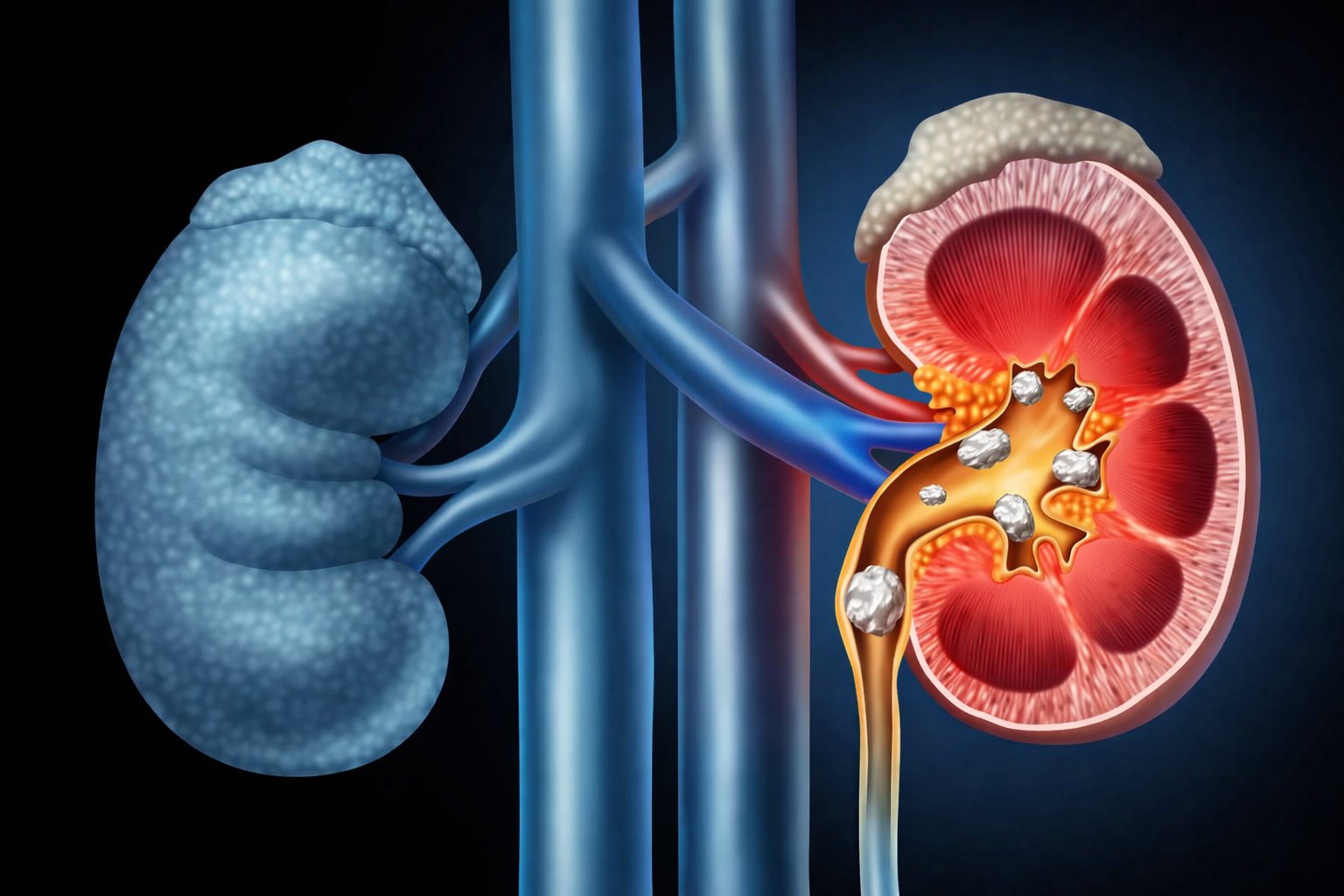
Advanced Kidney Stone Surgery
Kidney stone surgery at ModernCare is performed using advanced minimally invasive techniques to safely remove stones, relieve pain, and prevent recurrence. Our approach focuses on precision, faster recovery, and long-term kidney health.
- Minimally Invasive Stone Removal Techniques
- Laser Lithotripsy (Flexible Ureteroscopy)
- Percutaneous Nephrolithotomy (PCNL)
- Treatment for Large & Complex Kidney Stones
- Personalized Post-Surgery Prevention Plan
- Same-Day or Short Hospital Stay
- Advanced Endoscopic & Laser Technology
- Reduced Pain & Faster Recovery
- Lower Risk of Recurrence
- Comprehensive Metabolic Evaluation
Benefits of Kidney Stone Surgery
Modern kidney stone surgery offers highly effective, minimally invasive solutions designed to remove stones safely while preserving kidney function. Using advanced endoscopic and laser technology, patients benefit from reduced discomfort, shorter recovery time, and improved long-term outcomes.

Kidney Stone Surgery – Frequently Asked Questions
Below are the questions patients most often ask about kidney stone surgery at Modern Care. A consultation and imaging are required before the right procedure can be chosen.
When does a kidney stone actually need surgery?
Stones under about five millimetres often pass on their own with fluids and pain relief. Surgery is considered when the stone is too large to pass, when it is obstructing the kidney, when pain or infection cannot be controlled, or when the stone has failed to move after a reasonable period of observation.
What is the difference between laser lithotripsy and PCNL?
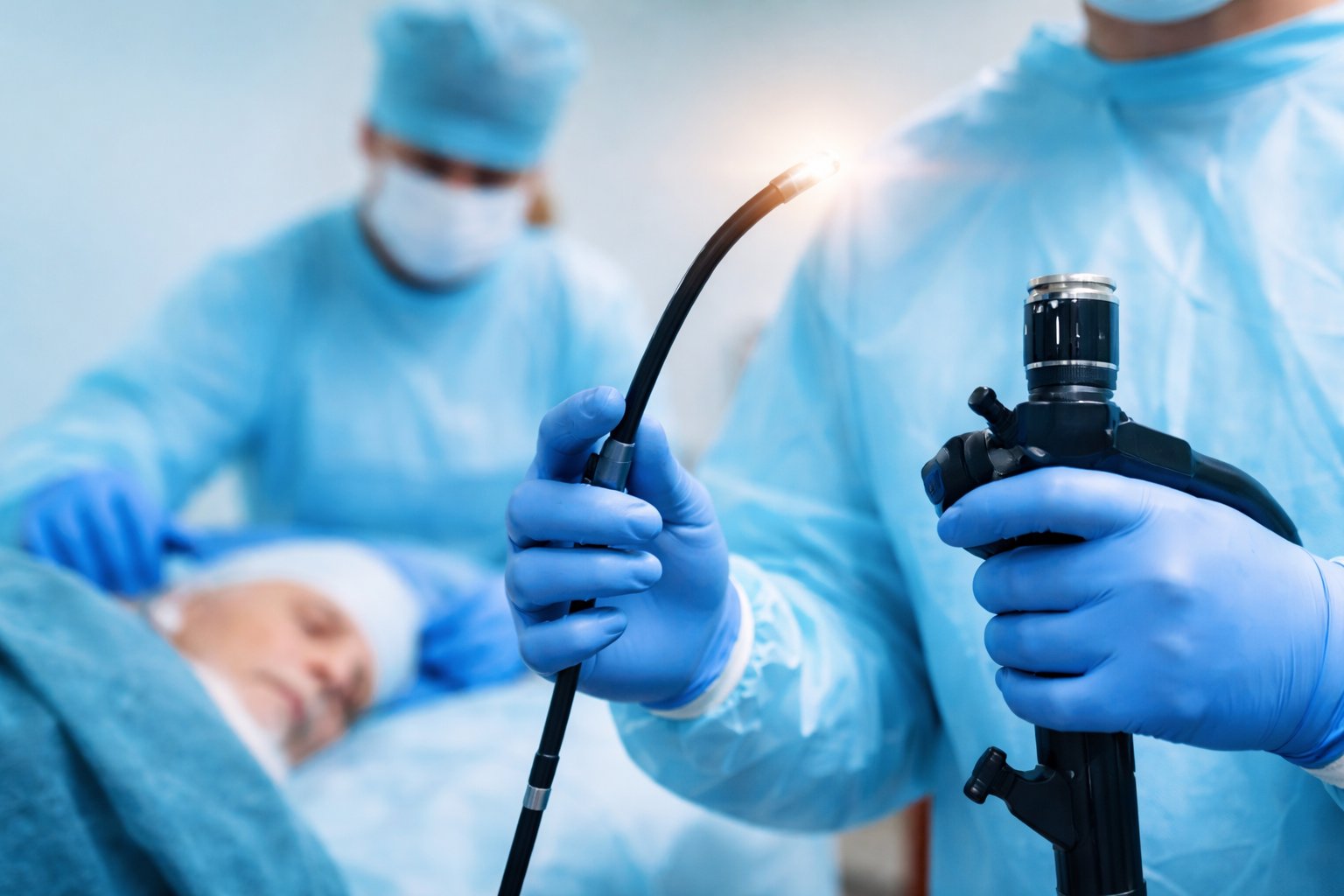
Flexible ureteroscopy with laser lithotripsy reaches the stone through the natural urinary passage and breaks it into fine fragments, which suits most stones up to roughly two centimetres. Percutaneous nephrolithotomy, or PCNL, is used for large or complex stones and reaches the kidney directly through a small tract in the back. The choice depends on the size, position and hardness of the stone.
How long does kidney stone surgery take?
Most endoscopic and laser stone procedures take between thirty and ninety minutes, depending on the size, number and position of the stones. The majority are performed as day surgery, so you go home the same day.
Is the procedure painful?
The surgery is performed under anaesthesia, so you feel nothing during it. Mild burning when passing urine and some lower back discomfort are common for a few days afterwards, particularly if a temporary ureteral stent has been placed.
Will I need a stent?
Not always. A stent is used when the ureter is swollen or the stone was large, and it keeps the kidney draining while it heals. It is normally removed in the clinic within one to two weeks.
How soon can I return to work?
Most patients return to desk work within two to three days and to full physical activity within one to two weeks. Your surgeon will confirm the timeline based on the procedure performed.
Can the stones come back?
Yes. Without preventive measures, roughly half of patients form another stone within ten years. This is why a metabolic evaluation and a tailored fluid and diet plan are included as part of treatment rather than offered as an afterthought.
What is the single best way to prevent new stones?
Fluid intake. Most patients are advised to drink enough that the urine stays pale throughout the day. Beyond that, prevention is guided by metabolic testing, which shows whether calcium, oxalate, uric acid or low citrate is driving stone formation, so that diet and, where needed, medication can be targeted rather than generic. Book a consultation to have your stones assessed.