
PRP For Erectile Dysfunction
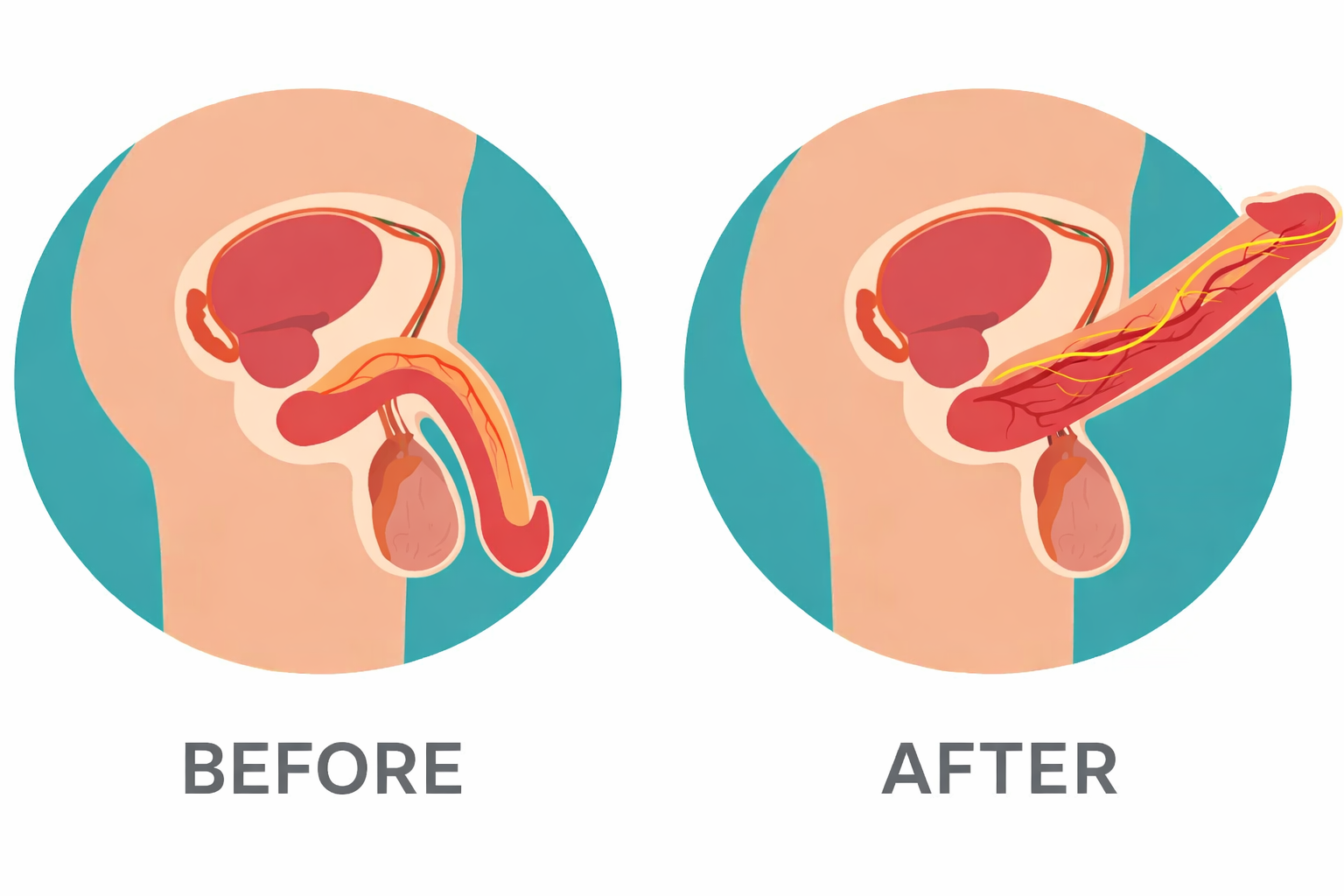
PRP Therapy for Erectile Dysfunction
Platelet-Rich Plasma (PRP) therapy is an innovative regenerative treatment designed to improve erectile function naturally. By using the patient’s own growth factors, PRP stimulates tissue regeneration, enhances blood flow, and supports improved sexual performance without surgery.
- Non-surgical treatment for erectile dysfunction
- Uses the patient’s own platelet-rich plasma
- Promotes tissue regeneration and healing
- Enhances penile blood circulation
- Quick in-office procedure with minimal downtime
- Natural regenerative therapy
- May improve erection quality and sensitivity
- Supports long-term sexual health
- Performed by experienced medical specialists
- Safe and minimally invasive procedure
Benefits of PRP Therapy for Erectile Dysfunction
PRP therapy offers a regenerative and minimally invasive approach to treating erectile dysfunction. By using concentrated growth factors from the patient’s own blood, the treatment supports improved blood flow, tissue repair, and enhanced erectile function without surgery or long recovery periods.

PRP for Erectile Dysfunction – Frequently Asked Questions
Below are the questions men most often ask about PRP therapy for erectile dysfunction at Modern Care. A full assessment is required before this or any other treatment is recommended.
What is PRP therapy for erectile dysfunction?
A small sample of your own blood is taken and spun in a centrifuge to concentrate the platelets, which carry growth factors involved in tissue repair. That concentrate is then injected into the erectile tissue of the penis, with the aim of improving blood flow and supporting tissue regeneration.
Is PRP for erectile dysfunction proven?
PRP is regenerative medicine and the evidence base is still developing. Early trials report improvement in erectile function scores in some men, but the studies are small and long-term data are limited. It is offered here as an option to consider rather than as a replacement for established treatments, and you will be given a realistic account of what is and is not yet known before you decide.
Is the procedure painful?
Local anaesthetic cream or a local anaesthetic injection is used first. Most men describe pressure rather than pain. The whole appointment usually takes under an hour, including the time needed to prepare the plasma.
How many sessions are needed?
Commonly a course of two to three sessions spaced several weeks apart, though the number depends on your response and on the underlying cause of the dysfunction.
How soon would I notice a difference?
Any change is gradual, because it depends on tissue response rather than on a drug effect. Men who do respond typically report improvement over one to three months.
Who is a good candidate for PRP?
Men with mild to moderate erectile dysfunction, particularly where the cause is vascular, and men who prefer to avoid medication or cannot tolerate it. Severe erectile dysfunction, and dysfunction caused by nerve injury, advanced diabetes or hormone deficiency, usually calls for a different approach.
Is PRP safe?
Because the plasma is prepared from your own blood, allergic reaction and rejection are not a concern. The recognised risks are bruising, swelling and temporary discomfort at the injection site, and, rarely, infection.
What should be checked before starting treatment?
Erectile dysfunction is frequently the first visible sign of cardiovascular disease, diabetes or low testosterone. A proper assessment covers blood pressure, blood glucose, lipid profile and hormone levels before any treatment is chosen, because treating the erection without investigating the cause can mean missing something more important. Book a consultation for a full evaluation.