
Beyond the Bedroom: Understanding the Cardiovascular Roots of Erectile Dysfunction
It’s a topic many men in Lebanon and worldwide find difficult to discuss.
Erectile dysfunction (ED) can be frustrating, embarrassing, and even impact relationships.
While often seen as a problem isolated to sexual performance, its roots frequently extend much deeper.
What many don’t realize is that experiencing ED can often be an early warning sign from your body, pointing directly to underlying cardiovascular health issues.
This blog post aims to shed light on exactly that: Beyond the Bedroom: Understanding the Cardiovascular Roots of Erectile Dysfunction.
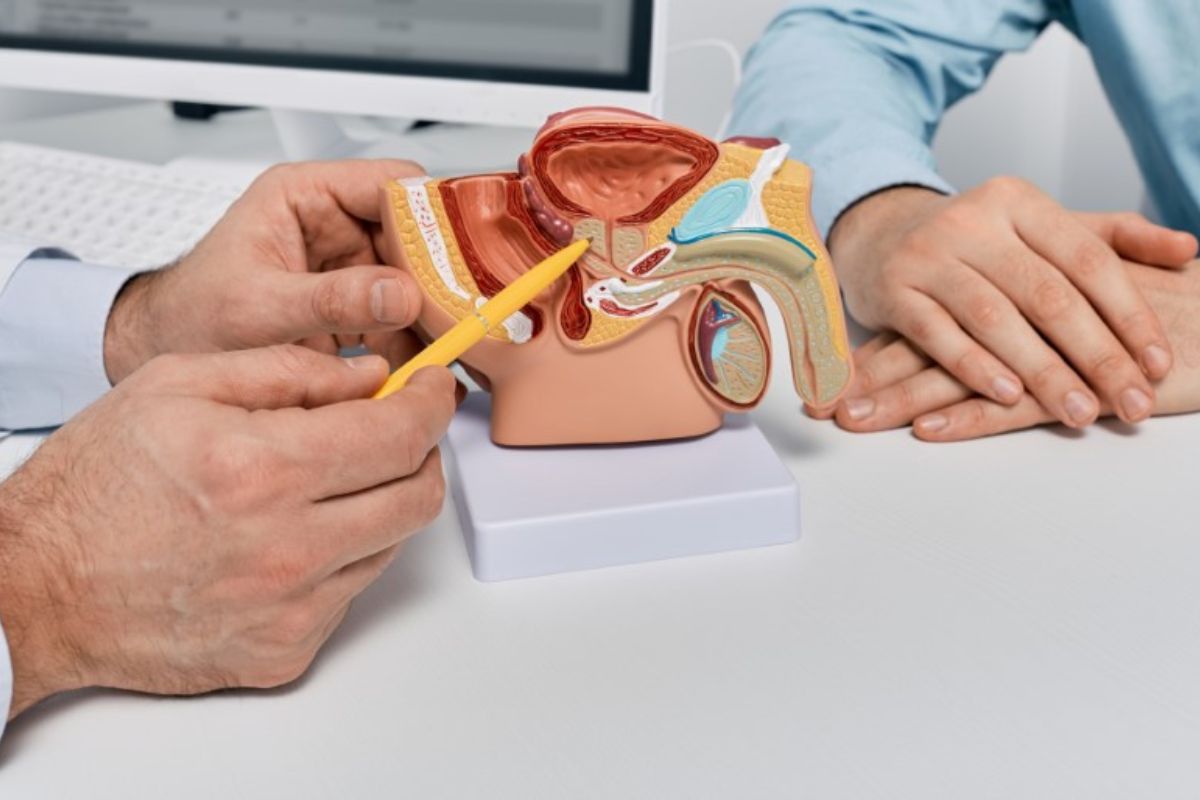
The Heart of the Matter: How Circulation Affects Erection
Let’s break it down simply.
An erection is fundamentally a hydraulic event.
It relies on healthy blood flow into the penis, creating pressure that leads to rigidity.
Any problem with your body’s circulatory system can directly impact this process.
It’s All About Blood Flow
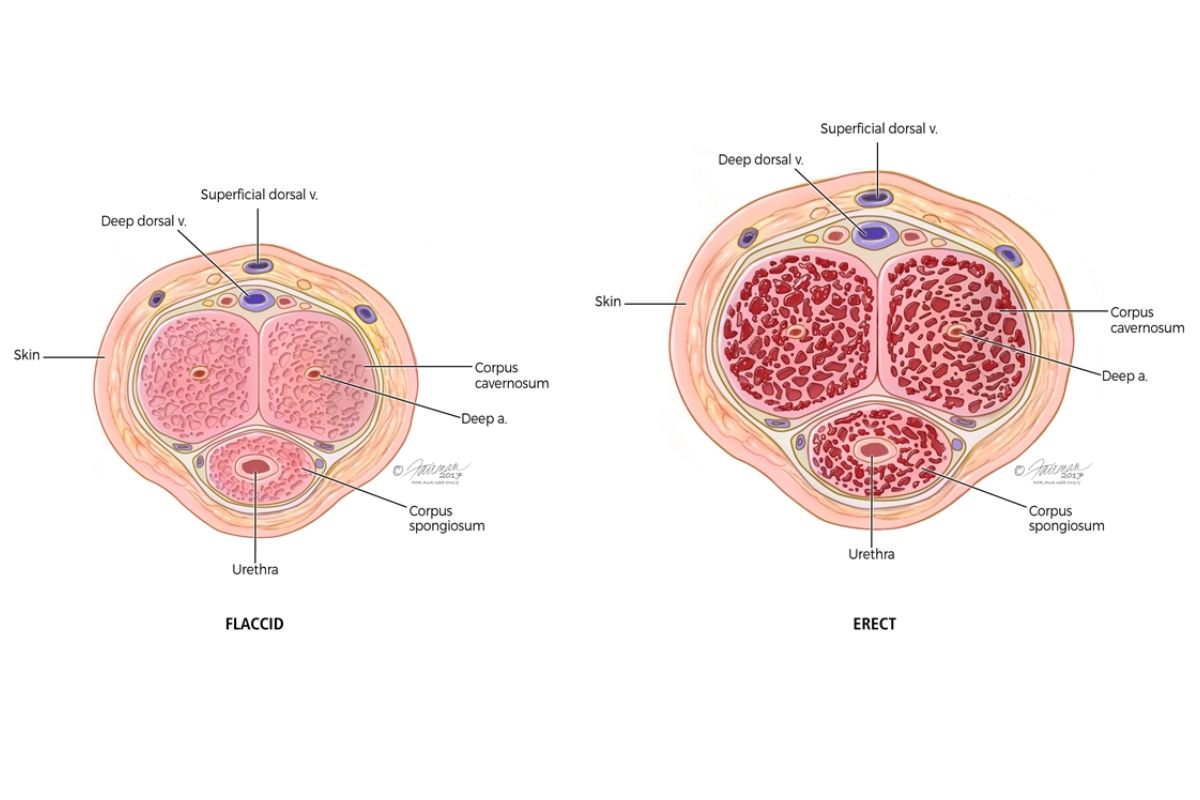
- For an erection to occur, arteries in the penis need to relax and allow a rapid influx of blood.
- Veins then constrict to trap this blood, maintaining the erection.
- If blood vessels are unhealthy or narrowed, this delicate balance is disrupted.
The Role of Endothelium
The endothelium is the inner lining of your blood vessels.
It plays a crucial role in regulating blood flow by releasing substances that make blood vessels dilate or constrict.
One key substance is nitric oxide, which helps relax the arteries.
Damage to the endothelium, often caused by cardiovascular risk factors, impairs its ability to produce enough nitric oxide, directly impacting the ability to achieve an erection.
Common Cardiovascular Risk Factors Linked to ED
Here’s a look at how various cardiovascular risk factors can contribute to erectile dysfunction.
| Risk Factor | Impact on Cardiovascular Health | Link to ED |
|---|---|---|
| Hypertension (High Blood Pressure) | Damages blood vessel walls, making them less elastic and narrowing them. | Reduces blood flow to the penis, impairing the ability to achieve and maintain an erection. |
| High Cholesterol (Atherosclerosis) | Leads to plaque buildup in arteries, hardening and narrowing them. | Obstructs blood flow throughout the body, including to the penis, often years before heart disease symptoms appear. |
| Diabetes | Damages blood vessels and nerves throughout the body due to high blood sugar levels. | Impairs both blood flow and nerve signals necessary for an erection. |
| Obesity | Associated with hypertension, high cholesterol, and diabetes; promotes inflammation. | Contributes to poor vascular health and hormonal imbalances that affect sexual function. |
| Smoking | Damages blood vessel lining, promotes atherosclerosis, and reduces nitric oxide production. | Severely restricts blood flow and impairs the body’s natural erection mechanism. |
Other Contributing Factors
- Lack of Physical Activity: A sedentary lifestyle often correlates with poor cardiovascular health.
- Poor Diet: Diets high in saturated fats, trans fats, and sugar contribute to weight gain, high cholesterol, and diabetes.
- Stress: Chronic stress can impact hormone levels and overall vascular function.
Spotting the Signs: When ED is a Warning Bell
It’s crucial to understand that ED isn’t just about your sex life.
For many men, it’s an early indicator, sometimes appearing years before other symptoms, that there might be a problem with their heart or blood vessels.
If you’re experiencing ED, it’s a good idea to consider your overall health.
Don’t hesitate to consult a specialist.
At Modern Care in Antelias, our urologists are experienced in diagnosing and managing these complex issues.
Taking Action: Improving Your Heart & Sexual Health
The good news is that many steps you can take to improve your cardiovascular health will also likely improve your erectile function.
It’s all connected!
Lifestyle Changes
- Adopt a Heart-Healthy Diet: Focus on fruits, vegetables, whole grains, lean proteins, and healthy fats.
- Regular Exercise: Aim for at least 30 minutes of moderate-intensity activity most days of the week.
- Quit Smoking: This is one of the most impactful changes you can make for your heart and your erections.
- Manage Stress: Practice relaxation techniques, engage in hobbies, and prioritize sleep.
- Maintain a Healthy Weight: Losing even a small amount of weight can significantly improve cardiovascular markers.
Medical Management
Beyond lifestyle changes, your doctor might recommend specific medical interventions.
This could involve managing existing conditions like high blood pressure, diabetes, or high cholesterol with medication.
For more information on sexual health and potential treatments, you can explore our resources on sexual health.
Considering your options? We can help! Call us at 96176887676 or book a consultation to get started.
FAQs About ED and Heart Health
Is ED always a sign of heart disease?
Not always, but it’s a significant warning sign that shouldn’t be ignored.
ED can also be caused by psychological factors, hormonal imbalances, nerve damage, or certain medications.
However, given the strong link to cardiovascular health, it’s essential to have a thorough medical evaluation to rule out underlying heart issues.
Can improving heart health reverse ED?
In many cases, yes.
By adopting a healthier lifestyle and managing cardiovascular risk factors, many men experience a significant improvement in erectile function.
Reducing blood pressure, lowering cholesterol, and improving blood sugar control directly benefit the blood vessels vital for erections.
What kind of doctor should I see if I have ED?
Starting with a urologist is often a good idea, as they specialize in male reproductive and urinary health.
However, they will likely also assess your overall cardiovascular risk factors and may recommend consulting with a cardiologist or your primary care physician to comprehensively manage your health.
You can easily book an online consultation with us to discuss your concerns.
Understanding the deep connection between your heart and your sexual health empowers you to make proactive choices for a better quality of life.
Don’t view ED in isolation; see it as an opportunity to address your overall well-being.
By taking steps to improve your cardiovascular health, you’re not just improving your erections, but safeguarding your future.
It’s all part of embracing the full picture: Beyond the Bedroom: Understanding the Cardiovascular Roots of Erectile Dysfunction.