
It’s natural to feel overwhelmed when facing complex medical decisions, especially when new technologies are involved.
Many people hear about advanced treatments like Nanoknife and find themselves wading through a sea of conflicting information and rumors.
Understanding the facts versus the fiction can make a huge difference in your peace of mind and treatment journey.
That’s why we’re here to help by tackling the most common NanoKnife myths head on.
We’ll provide clear, straightforward answers from a leading expert.
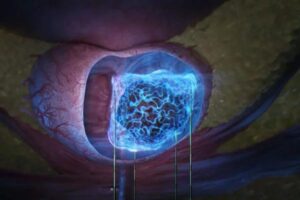
What Exactly is Nanoknife (IRE)?
Before we tackle the myths, let’s get a basic understanding of what Nanoknife, also known as Irreversible Electroporation (IRE), really is.
It’s a cutting-edge, minimally invasive technique often used in urology.
Dr. Fouad Khoury at Modern Care uses it for precise targeting of unwanted cells.
How Does Nanoknife Work?
Here’s a simplified breakdown:
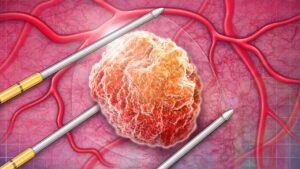
- It uses brief, high-energy electrical pulses.
- These pulses create microscopic pores in the cell membranes.
- This process leads to controlled cell death, but without extreme heat or cold.
- Crucially, it spares important surrounding structures like nerves and blood vessels.
Common NanoKnife Myths vs Reality
There’s a lot of chatter out there, so let’s set the record straight on some common misconceptions about Nanoknife treatment.
We’ve put together a table to compare what you might hear versus what the experts know.
| Myth | Reality (Expert Insight) |
|---|---|
| Nanoknife is experimental and unproven. | Nanoknife (IRE) is an FDA-approved technology. It has been used for years in various medical fields, including for prostate and kidney conditions, with growing evidence supporting its safety and efficacy. |
| It damages healthy tissue, causing significant side effects. | One of Nanoknife’s main advantages is its ability to precisely target problematic cells while preserving surrounding healthy tissue, nerves, and blood vessels. This often leads to fewer side effects compared to traditional treatments. |
| Recovery time is long and painful. | As a minimally invasive procedure, Nanoknife typically involves a shorter recovery period. Patients often experience less pain and can return to their daily activities much quicker than with open surgeries. |
| It’s a “magic bullet” for all conditions. | While highly effective for specific cases, Nanoknife is not suitable for everyone or every condition. A thorough evaluation by a specialist like Dr. Fouad Khoury is essential to determine if it’s the right option for you. |
Why Choose Nanoknife for Certain Conditions?
When appropriate, Nanoknife offers several compelling benefits, especially for focal therapy.
For conditions like localized prostate cancer, this precision is a game-changer.
You can learn more about prostate health on our website.
Key Advantages of Nanoknife
- Precision: Targets specific areas, sparing healthy tissue.
- Minimally Invasive: Fewer incisions, less blood loss, quicker healing.
- Tissue Preservation: Important for maintaining organ function and reducing risks like incontinence or erectile dysfunction, which are concerns with other cancer treatments.
- Reduced Side Effects: Lower risk of complications compared to more aggressive treatments.
Your Questions Answered: Nanoknife FAQs
We know you might have more questions, and that’s perfectly normal.
Here are some frequently asked questions Dr. Khoury often addresses.
Is Nanoknife painful?
The procedure itself is performed under anesthesia, so you won’t feel anything during the treatment.
Afterward, patients typically experience mild discomfort, which can be managed with medication.
It is generally much less painful than traditional surgical methods.
Who is a good candidate for Nanoknife treatment?
Nanoknife is often considered for patients with localized conditions, such as early-stage prostate cancer, where precise targeting is needed.
The best way to determine if you are a candidate is through a comprehensive consultation and evaluation by a specialist like Dr. Fouad Khoury.
What is the recovery process like?
Recovery varies by individual, but most patients experience a relatively quick return to normal activities.
You might have some bruising or mild soreness, but serious complications are rare due to the minimally invasive nature of the procedure.
Your doctor will provide specific post-treatment instructions.
How can I get expert advice on Nanoknife in Lebanon?
For expert insights and personalized care regarding Nanoknife and other urological treatments, you can consult with Dr. Fouad Khoury at Modern Care in Antelias.
Our team is dedicated to providing advanced, compassionate care right here in Lebanon.
Ready to Discuss Your Options?
We understand that making informed health decisions is vital.
At Modern Care, Dr. Fouad Khoury and our team are committed to providing you with accurate information and personalized care.
Considering your options? We can help! Call us at 96176887676 or book a consultation to get started.
Don’t let misinformation guide your health choices.
By understanding the truth behind the technology, you can make confident decisions about your health.
We hope this insight from our specialists at Modern Care helps in tackling the most common NanoKnife myths head on.