
Navigating Prostate Cancer Treatment Options: A Modern Care Guide
Receiving a prostate cancer diagnosis can feel overwhelming, especially here in Lebanon where you want to ensure you’re getting the very best care.
It brings up so many questions about what comes next, what your options are, and how treatment might impact your life.
We understand these concerns deeply, and that’s why we’ve put together this guide to help you in Navigating Prostate Cancer Treatment Options: A Modern Care Guide.
Our goal is to break down the complexities and empower you with knowledge about modern care approaches available to you.
Understanding Your Diagnosis
Before diving into treatments, it’s crucial to understand your specific diagnosis.
Prostate cancer isn’t a one-size-fits-all condition.
Factors like the cancer’s aggressiveness (Gleason score), stage, and your overall health play a big role in deciding the best path forward.
We always start with a thorough assessment to ensure a personalized approach.
The Importance of Early Detection
Regular screenings are vital for early detection, which significantly improves treatment success rates.
We encourage men, especially those over 50 or with a family history, to discuss prostate health with their doctor.
You can learn more about prostate health and related conditions on our prostate health resources page.
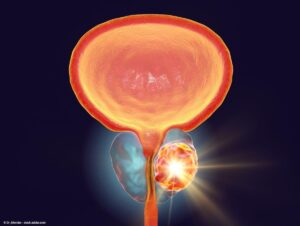
Exploring Modern Treatment Options
Gone are the days when surgery was the only major option.
Today, we have a range of sophisticated treatments, each with its own benefits and considerations.
Let’s break it down.
Active Surveillance
For men with low-risk prostate cancer, active surveillance is often a primary recommendation.
This approach involves carefully monitoring the cancer’s progression rather than immediately treating it.
It helps avoid the side effects of aggressive treatments if they aren’t truly necessary.
- Regular PSA tests
- Frequent physical exams
- Periodic biopsies or advanced imaging
Surgical Approaches: Radical Prostatectomy
If treatment is needed, surgically removing the prostate gland remains a highly effective option.
Modern techniques have greatly improved outcomes and reduced recovery times.
- Open Surgery: The traditional method, involving a single incision.
- Laparoscopic Surgery: Minimally invasive with smaller incisions.
- Robotic-Assisted Laparoscopic Prostatectomy: This is a very precise, minimally invasive procedure that uses robotic technology. Many of our patients at Modern Care benefit from this advanced option for prostate cancer surgery, leading to quicker recovery and better nerve-sparing outcomes.
Radiation Therapy
Radiation therapy uses high-energy rays to kill cancer cells.
It can be a standalone treatment or used in combination with other therapies.
- External Beam Radiation Therapy (EBRT): Radiation delivered from a machine outside the body.
- Brachytherapy: Small radioactive seeds are implanted directly into the prostate.
- Stereotactic Body Radiation Therapy (SBRT): Delivers high doses of radiation with extreme precision over fewer sessions.
Hormonal Therapy and Chemotherapy
These systemic treatments are often used for more advanced cases or when cancer has spread beyond the prostate.
Hormonal therapy aims to reduce testosterone, which fuels prostate cancer growth, while chemotherapy directly attacks cancer cells.
Comparing Treatment Options
To help you visualize the differences, here’s a comparison of some key treatment features:
| Treatment Option | Invasiveness | Potential Side Effects | Recovery Time |
|---|---|---|---|
| Active Surveillance | Non-invasive | Anxiety, potential for progression | None (ongoing monitoring) |
| Robotic Prostatectomy | Minimally Invasive | Urinary incontinence, erectile dysfunction | Weeks to a few months |
| External Beam Radiation | Non-invasive | Fatigue, bowel/bladder issues | Days to weeks (during treatment) |
| Brachytherapy | Minimally Invasive | Urinary issues, rectal irritation | Days to weeks |
Considering your options? We can help! Call us at 96176887676 or book a consultation to get started.
Frequently Asked Questions About Prostate Cancer Treatment
What are the most common side effects of prostate cancer treatment?
The most common side effects include urinary incontinence and erectile dysfunction.
These vary depending on the treatment chosen and your individual health, but many can be managed or improved with therapy.
How do I choose the best treatment option for me?
Choosing the best option involves a detailed discussion with your urologist.
We consider your cancer’s stage and grade, your age, overall health, lifestyle, and personal preferences.
A multidisciplinary team approach is often beneficial in making an informed decision.
Can prostate cancer recur after treatment?
Yes, prostate cancer can recur.
Regular follow-up appointments and PSA testing are crucial after treatment to monitor for any signs of recurrence.
If it does recur, there are often additional treatment options available.
At Modern Care, located in Lebanon at Centre Saint Nicolas, we are dedicated to providing compassionate, state-of-the-art care for prostate cancer patients.
We believe that every man deserves a clear understanding of his diagnosis and personalized treatment options.
We encourage you to explore our website or contact us for more information.
Navigating Prostate Cancer Treatment Options: A Modern Care Guide is best done with expert support and a clear path forward.