
Receiving a prostate cancer diagnosis can feel overwhelming and frightening.
It’s a moment filled with uncertainty, and it’s completely natural to feel a wide range of emotions.
In the immediate aftermath, it’s easy to make decisions based on fear or incomplete information.
But this critical time is when careful steps can make a big difference in your treatment journey and long-term health.
Let’s explore five biggest mistakes to avoid after a prostate cancer diagnosis to help you navigate this period with clarity and confidence.
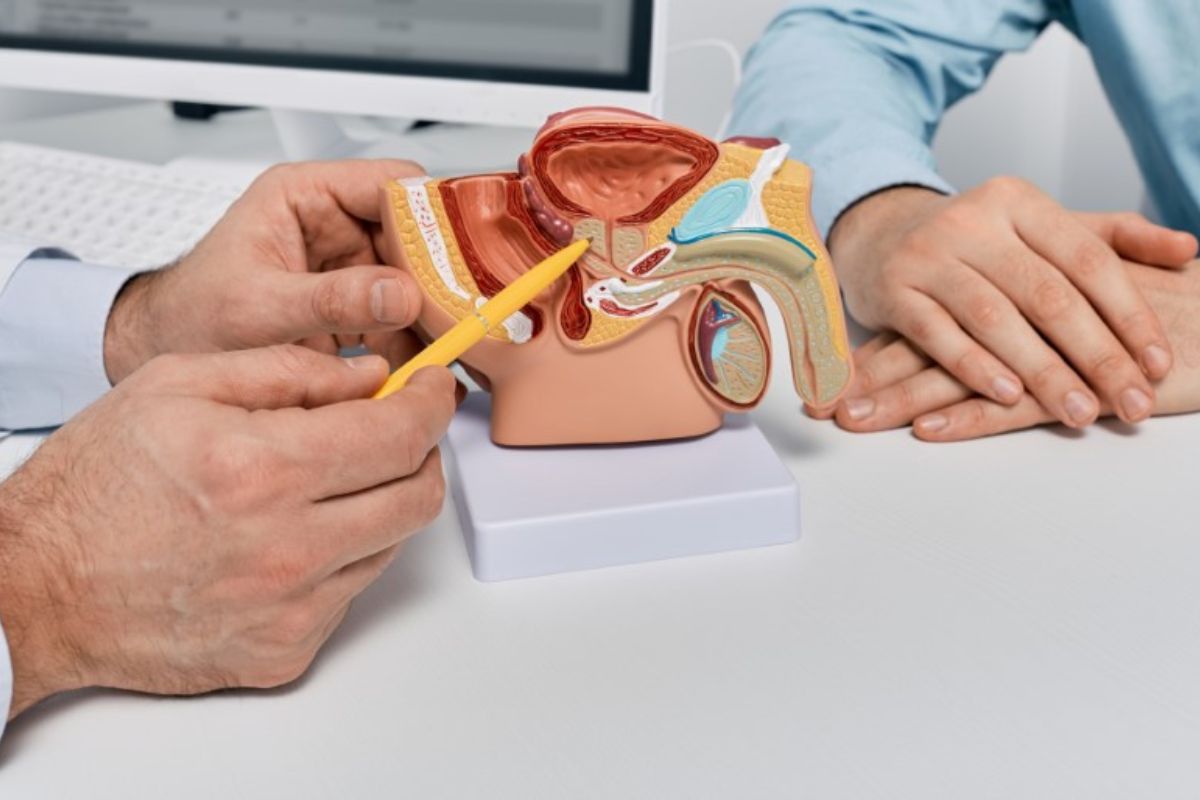
Understanding Your Diagnosis and Initial Reactions
Don’t Panic and Isolate Yourself
One of the first, and often most damaging, reactions to a serious health diagnosis is panic.
This can lead to withdrawing from loved ones and trying to handle everything on your own.
It’s vital to remember you’re not alone in this journey.
- Seek Emotional Support: Talk to your family, friends, or a support group. Sharing your feelings can lighten the burden.
- Consult Professionals: Don’t rely solely on online searches. Schedule an appointment with a trusted urologist, like the experts at Modern Care, located conveniently in Centre Saint Nicolas, Antelias.
- Allow Yourself to Process: Give yourself time to absorb the news before making any major decisions.
Don’t Rush into Treatment Decisions
It’s tempting to want to “get rid of it” immediately, but haste can lead to choices that aren’t optimal for your specific situation.
Prostate cancer often grows slowly, meaning you usually have time to explore your options.
- Get a Second Opinion: Always consider seeking another medical opinion. Different specialists might offer varying perspectives or highlight alternative treatments.
- Research Thoroughly: Learn about all available treatment options, from active surveillance to surgery or radiation. Understanding the pros and cons of each is key.
- Consider Your Lifestyle: Think about how each treatment might impact your quality of life, both short-term and long-term.
Navigating Treatment Paths and Lifestyle
Don’t Ignore Lifestyle Changes
While medical treatments are paramount, neglecting your overall health can hinder your recovery and well-being.
Your body’s ability to heal and respond to treatment is often tied to your general health.
- Healthy Diet: Focus on a balanced diet rich in fruits, vegetables, and whole grains. This can support your immune system.
- Regular Exercise: If your doctor approves, maintaining a moderate exercise routine can boost energy levels and reduce stress.
- Quit Smoking/Limit Alcohol: These habits can negatively impact your health and treatment outcomes.
- Manage Stress: Find healthy ways to cope with stress, whether through meditation, hobbies, or spending time in nature.
Don’t Underestimate the Power of Communication
Effective communication with your medical team is crucial throughout your cancer journey.
Don’t assume they know your concerns or preferences.
- Ask Questions: Prepare a list of questions for your doctor before each appointment. Don’t be afraid to ask for clarification.
- Express Concerns: Clearly communicate any side effects, pain, or emotional distress you are experiencing.
- Involve a Loved One: Sometimes, bringing a family member or friend to appointments can help you remember information and ask important questions.
Long-Term Health and Follow-Up
Don’t Skip Follow-Up Appointments
Even after active treatment concludes, consistent follow-up care is essential.
This ensures that any recurrence is caught early and that side effects are managed effectively.
- Adhere to Your Schedule: Attend all scheduled appointments, screenings, and tests. These are vital for monitoring your health.
- Manage Side Effects: Discuss any lingering side effects with your doctor. There are often ways to manage or alleviate them.
- Stay Informed: Keep up-to-date with your health status and any new recommendations from your care team. You can find more helpful articles on our blog.
The Biggest Mistakes to Avoid After a Prostate Cancer Diagnosis
Let’s break down the difference between making rushed decisions and taking an informed approach after a prostate cancer diagnosis.
| Aspect | Rushing Decisions | Informed Decisions |
|---|---|---|
| Emotional State | Driven by fear, anxiety, and a desire for immediate action. | Calmer, thoughtful, and based on comprehensive understanding. |
| Treatment Choice | May choose the first option presented or what’s easiest, potentially without fully understanding alternatives or long-term impacts. | Explores all viable options (e.g., surgery, radiation, active surveillance, focal therapies), considers pros/cons, and aligns with personal values and lifestyle. |
| Second Opinions | Often skips getting additional professional advice. | Actively seeks multiple expert opinions to ensure the best path. |
| Long-Term Outlook | Higher risk of regret, unmanaged side effects, or feeling disempowered by the process. | Greater peace of mind, better management of expectations, and a proactive role in one’s health journey. |
Considering your options? We can help! Call us at 96176887676 or book a consultation to get started.
Common Questions About Prostate Cancer
What are common treatment options for prostate cancer?
Treatment options vary depending on the stage, grade, and your overall health.
Common approaches include active surveillance (close monitoring), surgery (radical prostatectomy), radiation therapy (external beam or brachytherapy), hormone therapy, chemotherapy, and newer focal therapies like Rezum water vapor therapy.
Your doctor at Modern Care can discuss which options are most suitable for your specific diagnosis.
How important is a second opinion?
Getting a second opinion is highly recommended, especially for complex diagnoses like prostate cancer.
It can confirm your initial diagnosis, offer alternative treatment perspectives, and provide you with greater confidence in your chosen path.
It’s a standard practice and good doctors welcome it.
Can diet really affect prostate cancer?
While diet alone cannot cure prostate cancer, maintaining a healthy diet plays a significant role in overall health and can influence the progression of the disease and your response to treatment.
Eating a diet rich in fruits, vegetables, and whole grains, and low in red and processed meats, can be beneficial.
Always discuss dietary changes with your medical team or a nutritionist.
Facing a prostate cancer diagnosis can be daunting, but by avoiding these the five biggest mistakes to avoid after a prostate cancer diagnosis, you empower yourself to make informed choices.
Remember, taking the time to understand your situation, seeking support, and communicating effectively with your healthcare providers are crucial steps toward managing your health proactively.
The team at Modern Care is here to support you every step of the way on your journey.